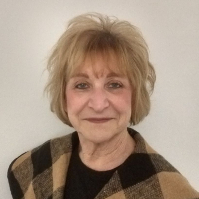
About Marikay
Marikay Gazda is an Illinois Licensed Clinical Social Worker who helps people facing anxiety, depression, grief, and major life changes. She works with caregivers and people dealing with chronic illness or the stresses of aging. Her style is steady and straightforward so parents can quickly see whether she might be a fit.
She draws on 35 years of experience to offer practical strategies and emotional support. In sessions she listens closely, helps name what’s happening, and suggests doable steps to reduce overwhelm.
Background and approach
Conversations often focus on improving communication, easing isolation, and rebuilding self-worth. Marikay uses a mix of approaches tailored to each person. Some sessions look at thought patterns and behaviors to change unhelpful cycles.
Other times the work centers on feelings, attachment wounds, or brief solution-focused goals to get immediate relief. She has a long track record helping people facing caregiver strain, cancer or chronic illness, hospice and end-of-life questions, and the emotional effects of aging. Marikay also addresses panic attacks, forgiveness, guilt, and the search for life purpose.
People who choose her can expect direct compassion and realistic tools to manage day-to-day stress. She helps clients build routines, communication skills, and coping plans that fit real life. Her goal is practical progress alongside emotional healing.
Approaches and how online therapy works
Client-Centered Therapy focuses on understanding each person's experience and meeting them where they are. It emphasizes listening, empathy, and helping people find their own solutions to problems like loneliness, low self-esteem, or grief.Cognitive Behavioral Therapy, or CBT, looks at how thoughts and behaviors keep problems going. It uses clear steps and homework to reduce anxiety, panic attacks, and depressive patterns by changing thinking and actions.
Emotionally-Focused Therapy helps people identify and express core emotions and repair attachment-related wounds. It can be useful for resolving deep feelings of emptiness, improving communication, and processing loss.
Finding the right approach is part of the work. The therapist collaborates with each person to choose methods that match goals, needs, and preferences. That partnership can change over time as different issues come up and progress is made.
Online therapy offers flexible ways to meet. Video calls approximate an in-person session and allow visual connection. Phone sessions can fit into a short break or be easier when bandwidth is low. Live chat or text-based messaging work well for brief check-ins, tracking progress, or when ongoing written reflection helps practice new skills.
These options make it easier to keep therapy consistent while juggling caregiving, medical appointments, work, or school.
Frequently asked questions
What concerns does she commonly address?
What is her therapeutic style like?
How much clinical experience does she have?
What are her credentials and where is she based?
Are sessions offered in other languages or internationally?
Which session formats are available?
How does billing and cost work?
What steps are needed to begin therapy?
Specialties and expertise
Top specialties
Also works with
- Aging and geriatric issues
- Attachment issues
- Cancer
- Caregiver issues and stress
- Chronic pain, illness, and disability
- Communication problems
- Compassion fatigue
- Coping with life changes
- Emptiness
- Forgiveness
- Guilt and shame
- Hospice and end-of-life counseling
- Isolation / loneliness
- Life purpose
- Panic disorder and panic attacks
- Relationship issues
- Self esteem
- Self-love
Therapeutic approaches
- Experience
- 35 years
- Licensed
- Illinois
- Languages
- English