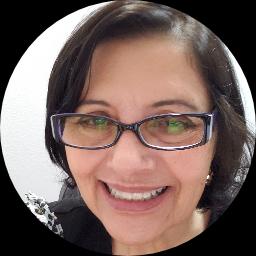
About Marcia
Marcia Howard is a licensed clinical social worker in California. She brings two decades of experience helping people manage stress, anxiety, depression, relationship strain, trauma, and self-esteem struggles. Marcia speaks English, Spanish, and Portuguese and works with adults facing many life transitions.
Her approach centers on practical tools that people can use day to day. She draws on cognitive behavioral techniques to spot unhelpful thinking. She uses skills from dialectical behavior therapy to build emotion regulation and distress tolerance.
Background and approach
Mindfulness and solution-focused strategies help clients notice what matters and set small, doable goals. Marcia aims to make sessions straightforward. Conversations focus on specific problems and steps to change them.
She encourages clients to try new strategies between sessions and then review what worked and what did not. Over twenty years of practice have exposed her to many concerns, including grief, family problems, eating issues, aging and geriatric matters, and multicultural stressors. She also addresses topics like codependency, divorce, domestic violence, immigration stress, and end-of-life planning.
People working with Marcia can expect a respectful, goal-oriented process. She helps clarify priorities and build routines that support better coping. Her style is collaborative and grounded in practical skills.
Practical approaches for online care
Marcia commonly uses Cognitive Behavioral Therapy and Dialectical Behavior Therapy skills in online sessions. Cognitive Behavioral Therapy focuses on identifying and changing thoughts and behaviors that keep problems going, which helps with anxiety, depression, and stress. DBT skills teach emotion regulation, distress tolerance, and ways to manage strong feelings and impulsive reactions.Choosing the right approach is part of the work together. The therapist will talk through goals, preferences, and daily routines to decide which methods fit best. That collaborative planning helps tailor what happens in each session and the homework between meetings.
Online formats include video calls, phone sessions, live chat, and text-based messaging, which offer flexibility for different situations. Video calls work well for deeper conversations and skill coaching. Phone sessions can be a simpler option when bandwidth is limited. Live chat and text are useful for brief check-ins, quick skill practice, or when writing out thoughts helps clarity. These options make it easier to fit therapy into busy schedules and different life rhythms.
Frequently asked questions
What concerns does this therapist help with?
What kind of therapy style can I expect?
How much experience does the therapist have?
Where is the therapist licensed and practicing?
Which languages are supported for sessions?
What session formats are available?
How does payment and cost work?
How do I begin working with this therapist?
Specialties and expertise
Top specialties
Also works with
- Aging and geriatric issues
- Anger management
- Career difficulties
- Codependency
- Commitment issues
- Coping with life changes
- Depression
- Divorce and separation
- Domestic violence
- Eating and food-related issues
- Eating disorders
- Family conflicts
- Family problems
- Guilt and shame
- HIV / AIDS
- Hospice and end-of-life counseling
- Immigration issues
- Life purpose
- Mood disorders
- Multicultural concerns
- Panic disorder and panic attacks
- Phobias
- Post-traumatic stress
- Postpartum depression
- Relationship issues
- Self-love
- Social anxiety and phobia
- Veteran and Armed Forces Issues
- Women's issues
- Workplace issues
Therapeutic approaches
- Experience
- 20 years
- Licensed
- California
- Languages
- English, Spanish, Portuguese