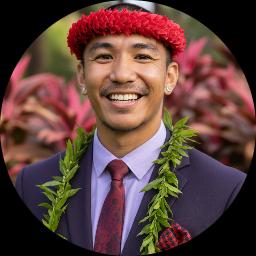
About Marc
Marc Malate is a licensed clinical social worker who focuses on supporting LGBTQ+ people. He meets clients where they are and helps them make practical changes. Marc listens for what matters most and helps people find more self-acceptance and clearer connection to others.
He commonly helps with communication problems and feelings of isolation or loneliness. He also supports people working through guilt, shame, and issues around forgiveness. Many clients look to him for help finding a clearer sense of life purpose and learning to practice more self-love.
Background and approach
Marc brings six years of clinical experience to his work in Hawaii. He emphasizes cultural humility and affirmation, and centers each person’s identity and values in the room. That means therapy focuses on the real things that matter to the client, not labels or assumptions.
Sessions are conversational and goal-oriented. Marc uses questions, reflection, and practical exercises so people can try new ways of thinking and relating between sessions. He aims for steady, manageable progress rather than quick fixes.
People who choose Marc can expect a respectful, nonjudgmental space to sort through emotions and decisions. He helps people build clearer communication skills, reduce isolation, and reconnect with what matters to them. If someone wants straightforward, affirming support, Marc offers a calm, steady presence.
Therapeutic approaches and online sessions
Marc draws on evidence-based techniques that focus on identity, emotion, and relationship skills. One common approach is skills-based work that teaches practical communication tools and ways to manage intense emotions; this helps people improve conversations and reduce repeated misunderstandings. Another approach emphasizes exploration of identity and self-acceptance, using reflective conversation to address shame, guilt, and questions about life purpose.Choosing the right approach is a shared process. Marc discusses goals and preferences with each person and adapts methods as needs change. He collaborates on small, testable steps so people can see what helps and what should be adjusted.
Online therapy offers flexible ways to connect. Video calls let people work visually and use body language, while phone sessions need less bandwidth and can fit into a work break. Live chat and text-based messaging work well for shorter check-ins, quick problem-solving, or ongoing support between synchronous sessions. These options make it easier to keep continuity of care and to fit therapy into a busy life.
Frequently asked questions
What concerns does Marc commonly help with?
What is the general therapy approach and style?
How much clinical experience does he have?
What are his credentials and where is he based?
Which languages are supported for sessions?
What session formats are available?
How does billing and cost work?
What are the first steps to begin therapy?
Specialties and expertise
Top specialties
Also works with
- Experience
- 6 years
- Licensed
- Hawaii
- Languages
- English