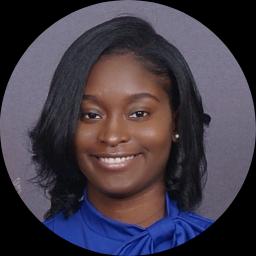
About Manga
Manga Omasombo offers a warm, person-focused approach to therapy. She centers sessions on each person's own story and strengths. Manga is a Licensed Independent Clinical Social Worker, LICSW, and also holds an LCSW credential.
She works from Virginia and speaks English. She helps people manage stress and anxiety and cope with addictions. She also supports those facing depression, trauma and grief, relationship and intimacy concerns, and sleep or eating problems.
Background and approach
Parenting strain, anger, low self-esteem, career questions, and ADHD are also areas she addresses. Manga uses straightforward, practical methods in sessions. She draws on client-centered conversations to learn what matters most to the person.
Cognitive Behavioral Therapy helps when people want to change unhelpful thought and behavior patterns. Motivational Interviewing and solution-focused work are used to build momentum toward clear goals. Over five years of professional experience inform her work.
She aims to make sessions collaborative and respectful, helping people set achievable steps between meetings. Her additional focuses include communication problems, first responder issues, and concerns such as guilt, shame, or life purpose. Manga also supports people dealing with hospice and end-of-life concerns, HIV/AIDS related issues, hoarding, polyamory or non-monogamous relationship questions, and compassion fatigue.
People can expect a calm, practical tone and help turning small insights into steady progress.
Practical approaches for online therapy
Manga commonly uses Client-Centered Therapy and Cognitive Behavioral Therapy in online sessions. Client-Centered Therapy focuses on listening closely and building understanding so people can identify their own goals and strengths. Cognitive Behavioral Therapy looks at links between thoughts, feelings, and actions and offers concrete steps to change unhelpful patterns.Finding the right approach is part of the work. The therapist will discuss goals, preferences, and what has helped or not helped before. Together they decide which methods to try and adjust plans as progress is made, keeping the process collaborative and goal-oriented.
Online sessions are offered by video call, phone, live chat, or text-based messaging to make care flexible. Video calls are useful for face-to-face conversation and visual cues. Phone sessions can be easier when bandwidth is limited or when a brief check-in fits a work break. Live chat and messaging let people share thoughts between sessions and suit those who prefer typed conversation. These options make it easier to fit therapy into busy lives and maintain consistent momentum toward goals.
Frequently asked questions
What kinds of problems does this therapist address?
What is the therapist's approach or style?
What experience does the therapist have?
What credentials and where is the therapist licensed?
Which languages and international arrangements are supported?
What session formats are offered?
How are costs and billing handled?
How do I begin working with this therapist?
Specialties and expertise
Top specialties
- Stress, Anxiety
- Addictions
- Relationship issues
Also works with
- ADHD
- Anger management
- Bipolar disorder
- Career difficulties
- Communication problems
- Compassion fatigue
- Coping with life changes
- Depression
- Eating disorders
- Family conflicts
- First responder issues
- Grief
- Guilt and shame
- HIV / AIDS
- Hoarding
- Hospice and end-of-life counseling
- Intimacy-related issues
- Life purpose
- Parenting issues
- Polyamory / non-monogamous relationships
- Self esteem
- Self-love
- Sleeping disorders
- Social anxiety and phobia
- Trauma and abuse
Therapeutic approaches
- Experience
- 5 years
- Licensed
- District of Columbia, Virginia, North Carolina
- Languages
- English