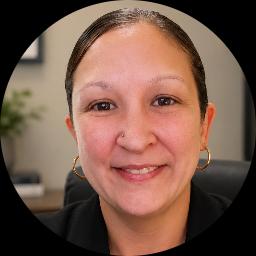
About Malori
Malori White-Jefferson is a Licensed Clinical Social Worker who brings three years of experience in public health to her practice. She focuses on stress, anxiety, relationship challenges, trauma and abuse, depression, and life transitions. Malori meets people where they are and aims to build a working relationship that feels supportive and realistic.
Her approach centers on evidence-based therapeutic techniques tailored to each person's goals and strengths. Sessions are practical and straightforward.
Background and approach
She helps people work through difficult memories, manage overwhelming emotions, and build skills to cope with everyday pressures. Malori has worked with people from many backgrounds, which shaped a flexible, client-centered style. She adjusts pacing and tools to fit individual needs and life situations.
Expect a balance of focused work and moments of warmth and humor. She pays attention to relationship patterns, attachment concerns, and communication problems. She also supports people dealing with postpartum mood changes, dissociation, obsessive or impulsive behaviors, and recovery after natural or human-caused disasters.
Malori is based in North Carolina and conducts sessions in English. Her practice emphasizes realistic steps people can take between sessions to strengthen coping and create more stable routines.
Evidence-based approaches and how online therapy fits
Malori uses evidence-based therapeutic techniques that focus on helping people process difficult experiences and build coping skills. One commonly used approach focuses on processing and making sense of painful memories so they feel less overwhelming; this can help with trauma-related symptoms and distressing memories. Another approach emphasizes practical skill-building to change unhelpful thinking and behaviors and improve daily functioning; it is often used for anxiety, depression, and mood regulation.Finding the right mix of approaches is part of the work together. The therapist collaborates with each person to choose methods that match their needs, goals, and preferences. That means adjusting pace, tools, and homework to fit what actually helps the individual move forward.
Online formats include video calls, phone sessions, live chat, and text-based messaging, which provide flexibility for different schedules and needs. Video visits let people work face to face from different locations. Phone sessions are useful when bandwidth is limited or when a quick check-in fits a break at work. Live chat and text-based messaging offer shorter, more frequent touchpoints for skill practice and support between longer sessions. These options make it easier to keep therapy consistent while fitting it into everyday life.
Frequently asked questions
What concerns does this therapist address?
What is the therapist's general style and approach?
How much clinical experience does she have?
What credentials and location are associated with this clinician?
Which languages are offered for sessions?
Which session formats are available?
How does cost and billing work?
What steps are needed to begin work with this therapist?
Specialties and expertise
Top specialties
- Stress, Anxiety
- Relationship issues
- Trauma and abuse
Also works with
- Abandonment
- Attachment issues
- Communication problems
- Control issues
- Coping with life changes
- Coping with natural or human-caused disaster
- Depression
- Dissociation
- Family problems
- Impulsivity
- Mood disorders
- Obsessions, compulsions, and OCD
- Personality disorders
- Post-traumatic stress
- Postpartum depression
- Pregnancy and childbirth
- Self-harm
- Sexual assault and abuse
- Women's issues
- Young adult issues
- Experience
- 3 years
- Licensed
- North Carolina
- Languages
- English