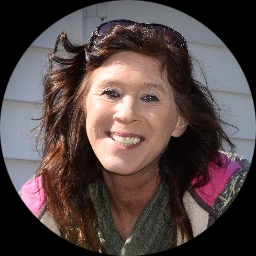
About Lorinda
Lorinda Stark greets people who are worn down by stress, anxiety, low self-esteem, or life changes. She is a licensed clinical social worker - LCSW - based in Tennessee and uses straightforward conversation to help people find next steps. The first visit often focuses on what matters most now and what a person hopes to change.
Lorinda keeps sessions simple and practical. She asks questions, listens without judgment, and helps people notice patterns that get in the way.
Background and approach
Together they set small, doable goals and try strategies that can be put into everyday life. Her work often addresses addiction, motivation, and coping with grief or trauma. She also helps with compassion fatigue, caregiver strain, and issues that come with aging or end-of-life concerns.
People who struggle with obsessive thoughts, compulsions, or attention challenges can also bring those concerns to sessions. Lorinda uses a mix of methods to match each person’s needs. That can include finding clearer ways to think about difficult situations, exploring personal values, and using motivational techniques to support change.
She adjusts her approach based on what the person finds most helpful. With six years of professional experience, Lorinda draws on practical tools and steady listening. She aims to make the process feel manageable rather than overwhelming.
The goal is clearer choices and small steps toward a more satisfying daily life.
Approaches Adapted for Online Support
Acceptance and Commitment Therapy (ACT) helps people clarify what matters to them and take small steps toward those values even when feelings are hard. It is useful for anxiety, stress, and life transitions that leave someone stuck. Cognitive Behavioral Therapy (CBT) focuses on identifying patterns of thinking and behavior that cause distress and testing new ways of responding; it often helps with anxiety, depression, and obsessive or compulsive patterns. Motivational Interviewing uses focused conversation to strengthen a person’s own motivation to change, which can be helpful for addictions and making difficult life adjustments.Picking the right approach is part of the work. The therapist will collaborate with each person to decide which methods feel most useful. That choice can be revisited as goals change and progress is made.
Online therapy offers several practical benefits. Video calls let people see facial cues and use exercises together. Phone sessions can be a good option when bandwidth is limited or a session needs to fit into a short break. Live chat and text-based messaging make it easier to check in between sessions or to communicate in shorter bursts. These options allow flexibility in scheduling and can make regular contact easier for people with busy or changing routines.
Frequently asked questions
What concerns does Lorinda commonly help with?
What is her therapeutic style like?
What is her professional background?
Where does she practice and what are her credentials?
Which languages are available for sessions?
What formats are used for sessions?
How does payment and cost work?
How do I begin if I want to work together?
Specialties and expertise
Top specialties
Also works with
- Addictions
- ADHD
- Aging and geriatric issues
- Caregiver issues and stress
- Codependency
- Communication problems
- Compassion fatigue
- Control issues
- Coping with life changes
- Dependent personality
- Domestic violence
- Family conflicts
- Forgiveness
- Grief
- Guilt and shame
- Hoarding
- Hospice and end-of-life counseling
- Isolation / loneliness
- Life purpose
- Obsessions, compulsions, and OCD
- Personality disorders
- Post-traumatic stress
- Self-love
- Trauma and abuse
- Veteran and Armed Forces Issues
Therapeutic approaches
- Experience
- 6 years
- Licensed
- Tennessee
- Languages
- English