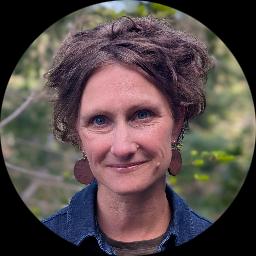
About Lina
Lina Dale is a licensed clinical social worker with 12 years of experience helping people manage stress, anxiety, grief, low self-esteem, depression, and life changes. She offers steady support for everyday struggles and major transitions. Lina works with people who are coping with isolation, communication problems, chronic illness, caregiving strain, and end-of-life concerns.
Her style is collaborative and person-centered. Sessions focus on practical skills and small changes that feel doable.
Background and approach
Lina helps people build routines, improve self-talk, and find ways to reconnect with purpose and self-love. She has particular experience supporting those facing aging and geriatric issues, cancer, chronic pain, and hospice or end-of-life matters. Lina also addresses seasonal mood shifts, guilt, forgiveness, and feelings of loneliness.
Her background gives her familiarity with the emotional side of long-term health challenges and caregiving roles. In sessions she uses evidence-based therapeutic techniques to tailor work to each person’s needs. Conversations move between problem-solving, processing emotions, and planning steps for daily life.
Lina aims to make therapy feel practical and relevant to real routines. Therapy is offered in English and provided from California. People connect through video calls, phone sessions, live chat, or text-based messaging.
Getting started involves a short matching questionnaire and scheduling through the Start Therapy flow.
How therapeutic methods translate to online care
Many clients benefit from structured, evidence-based techniques that focus on clear steps and practical change. Behavioral strategies help people build routines, manage mood shifts like Seasonal Affective Disorder, and address symptoms of anxiety or depression by breaking goals into manageable actions. Another common approach is emotion-focused work that helps people name and process grief, guilt, or loneliness so they can move forward with more clarity.Finding the right approach is part of the work. The therapist will collaborate with each person to choose methods that match their needs, goals, and comfort level. That might mean trying short experiments, tracking what helps between sessions, and adapting methods over time based on feedback.
Online formats - video calls, phone sessions, live chat, and text-based messaging - make it easier to fit therapy into a busy life. Video calls work well for deeper conversations and exercises that use visual cues. Phone sessions are useful when bandwidth is limited or for a focused check-in. Live chat and text messaging let people keep momentum with brief updates or practice outside of scheduled sessions. These options offer flexibility and consistent contact while the therapist and client find the best working rhythm.
Frequently asked questions
What kinds of concerns are addressed?
How would you describe her therapeutic style?
What is her professional background?
What are her credentials and where is she based?
Which languages are supported and can international clients join?
What formats are available for sessions?
How is cost handled for sessions?
How do I begin working with her?
Specialties and expertise
Top specialties
Also works with
- Experience
- 12 years
- Licensed
- California
- Languages
- English