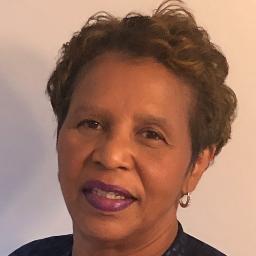
About Lilia
Lilia Adams welcomes people who are feeling overwhelmed by stress, relationship strain, or life transitions. She helps those coping with anxiety, depression, addiction, and parenting strain using practical steps and steady support. Lilia aims to make the first conversations simple and clear so people can decide what comes next.
She brings 23 years of experience as a licensed clinical social worker, listed as LCSW, and practices in Virginia while accepting international clients.
Background and approach
Her style is nonjudgmental and respectful of differences in race, ethnicity, gender, sexual orientation, age, and disability. Clients can expect a calm, empathetic presence and straightforward conversation about what matters most to them. In sessions she focuses on real-world skills and short-term goals.
That can include looking at unhelpful thinking patterns, building coping routines, or finding steps to reduce substance misuse. Lilia also works with intimacy issues, grief, sleep and eating struggles, and workplace or financial stress. She draws on client-centered methods and structured therapies to help people try new ways of coping.
Motivation and small achievable changes are part of how she approaches problems. The work is collaborative - goals are set together and tracked over time. Lilia seeks to create a supportive space where practical plans replace overwhelm.
She encourages parents, partners, and individuals facing difficult transitions to reach out and begin a clear, manageable plan for change.
How therapy approaches translate to online work
Client-centered therapy focuses on listening and understanding the person’s experience. It emphasizes empathy and partnership so clients feel heard and guided toward their own solutions. This approach helps with relationship issues, life changes, and building emotional insight.Cognitive Behavioral Therapy, or CBT, looks at how thoughts influence feelings and actions. It uses practical exercises and simple homework to change unhelpful thinking and reduce anxiety, depression, or addictive patterns. CBT is useful when someone wants clear steps and measurable progress.
Finding the right approach is part of the process. The therapist works collaboratively to match methods to each person’s goals, needs, and preferences. Together they try strategies, adjust what isn’t working, and set achievable targets for change.
Online sessions offer flexibility in how people meet. Video calls allow face-to-face conversation and visual cues. Phone sessions can be easier when bandwidth is limited or a quick check-in fits a lunch break. Live chat and text-based messaging let people share thoughts between sessions or check in when they prefer writing over talking.
These formats make it simpler to fit therapy into a busy life while still working on real change with a licensed professional. Clients and the therapist decide what combination of formats best supports progress.
Frequently asked questions
What concerns does she commonly help with?
What is her therapeutic style like?
How much clinical experience does she have?
What are her credentials and where is she based?
Can I work with her if I live outside the United States?
Which session formats are available?
How does payment and cost work?
What do I need to do to begin?
Specialties and expertise
Top specialties
Also works with
- ADHD
- Anger management
- Bipolar disorder
- Career difficulties
- Coaching
- Codependency
- Communication problems
- Compassion fatigue
- Coping with life changes
- Depression
- Divorce and separation
- Drug and alcohol addiction
- Eating disorders
- Family conflicts
- Grief
- Intimacy-related issues
- LGBT
- Money and financial issues
- Parenting issues
- Relationship issues
- Sleeping disorders
- Trauma and abuse
- Veteran and Armed Forces Issues
- Women's issues
- Workplace issues
Therapeutic approaches
- Experience
- 23 years
- Licensed
- Virginia, Florida
- Languages
- English