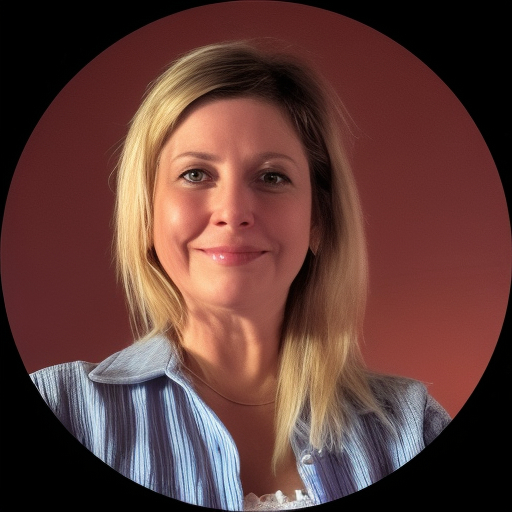
About Leslie
Leslie Moriarty is a licensed clinical social worker in New York with 25 years of experience. She offers steady, practical help for people dealing with anxiety, depression, stress, and trauma. Leslie focuses on clear, usable steps that make everyday life feel more manageable.
She helps people who struggle with shame, guilt, and social anxiety find better ways to cope. Conversations focus on identifying strengths and setting small goals. Sessions are straightforward and grounded in evidence-based therapeutic techniques.
Background and approach
Leslie’s style is warm and non-judgmental. She listens closely and asks questions that help people see patterns in their feelings and behavior. From there she and the client try practical strategies that match the person’s life and goals.
Clients work on building emotional clarity, self-compassion, and a renewed sense of purpose. Therapy often includes learning specific tools for stress reduction and managing intrusive thoughts or memories. Progress is tracked in ways that fit the client’s needs.
Leslie holds LCSW (Licensed Clinical Social Worker) and LSCSW credentials and brings long-term clinical experience to each session. She aims to make therapy accessible and practical, helping people take small steps toward lasting change.
Therapeutic approaches and how online therapy supports them
Leslie uses evidence-based therapeutic techniques to guide sessions toward concrete change. One common approach focuses on identifying unhelpful thinking patterns and practicing new ways of responding. This helps with anxiety, social fears, and low mood by training different habits of thought and behavior. Another approach centers on processing painful memories and reactions in small, paced steps to reduce their hold on everyday life. That work is often helpful for trauma and deep shame because it builds tolerance for difficult feelings while teaching new coping strategies.Choosing the right approach is a collaborative process. Leslie will talk with the client about goals, past experiences, and what feels most useful. Together they try methods that match the person’s needs and adjust the plan as progress is made.
Online formats include video calls, phone sessions, live chat, and text-based messaging. Video allows face-to-face conversation and focused work. Phone can be easier when bandwidth or camera use is a concern. Live chat and text messaging make it simple to check in between longer sessions or to have shorter, timely exchanges. These options offer flexibility to fit therapy into a busy life while keeping the work consistent and goal-oriented.
Frequently asked questions
What issues does she help with?
What is her therapeutic style like?
How much experience does she have?
What are her credentials and location?
Which languages are supported?
What session formats are available?
How does payment work?
How do I begin therapy?
Specialties and expertise
Top specialties
- Experience
- 25 years
- Licensed
- New York, Kansas
- Languages
- English