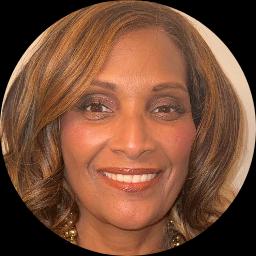
About Lavonne
Lavonne Womack is a Licensed Clinical Social Worker who helps people manage stress, anxiety, grief, eating concerns, and low self-esteem. She offers steady, practical support for day-to-day struggles and bigger life transitions. Her tone is warm and straightforward, focused on what will help the person in front of her.
Lavonne uses evidence-based therapeutic techniques that translate into clear steps during sessions. She often breaks concerns into manageable parts and works with clients to try new coping skills between meetings.
Background and approach
Sessions are conversational and goal-oriented while still leaving space to process feelings. Her background includes individual counseling and group work in community and faith-based settings. She has experience supporting people with autism and communication needs and has worked with individuals involved in the justice system to process trauma and learn coping strategies.
That varied experience informs how she adapts her approach to different life situations. Lavonne emphasizes a respectful, nonjudgmental space where people can feel heard and understood. She aims to build trust and to help clients recognize strengths they can use outside sessions.
Her work is aimed at increasing confidence, resilience, and overall well-being. Located in Connecticut, she draws on three years of clinical practice as a Connecticut LCSW. People meet with her to address practical problems, explore painful emotions, and build skills for handling future challenges.
Approaches that translate well to online care
Evidence-based therapeutic techniques form the backbone of her practice. One common approach involves breaking problems into smaller parts and teaching concrete coping skills for anxiety and stress, such as grounding and breathing strategies. These tools are easy to practice between sessions and can reduce overwhelm.Another useful approach focuses on processing grief and difficult emotions in manageable steps, allowing clients to tell their story at their own pace and build new ways of relating to loss. A third focus addresses eating and body image concerns by examining thoughts, routines, and behaviors, and experimenting with gentle changes that improve daily functioning.
Choosing the right approach is a collaborative process. The therapist will work with each person to identify goals, try methods that fit their needs, and adjust the plan based on what helps. This shared decision-making helps keep sessions relevant and practical.
Online therapy offers flexibility through video calls, phone sessions, live chat, or text-based messaging. Video is good for face-to-face conversation and visual cues, phone works when bandwidth is limited, live chat and messaging suit quick check-ins or shorter updates. These options make it easier to fit therapy into a busy life and to continue work between appointments.
Frequently asked questions
What concerns does she address?
What is her therapeutic style?
How much clinical experience does she have?
What credentials and location are listed?
Which languages are supported?
Which session formats are available?
How are costs handled?
How do I begin therapy with her?
Specialties and expertise
Top specialties
- Stress, Anxiety
- Grief
- Eating disorders
Also works with
- Abandonment
- Aging and geriatric issues
- Attachment issues
- Autism and Asperger Syndrome
- Body image
- Caregiver issues and stress
- Domestic violence
- Eating and food-related issues
- Emptiness
- Forgiveness
- Guilt and shame
- Intellectual disability
- Isolation / loneliness
- Jealousy
- Life purpose
- Midlife crisis
- Self esteem
- Self-love
- Women's issues
- Experience
- 3 years
- Licensed
- Connecticut
- Languages
- English