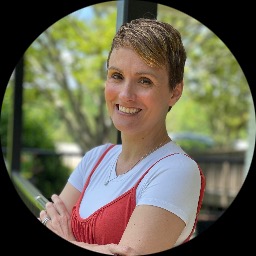
About Laura
Laura Terrell is a licensed clinical social worker practicing in Georgia. She has worked as a social worker for many years and brings a calm, practical approach to sessions. Laura focuses on stress, anxiety, trauma and abuse, and depression while keeping conversations direct and respectful.
She draws on roughly a decade as a Georgia-licensed LCSW plus additional years of social work experience. Laura adapts conversations and plans to fit each person's situation.
Background and approach
She uses straightforward skills and tools so people can try new ways of coping between sessions. Laura often helps people who are dealing with panic, mood difficulties, and post-traumatic stress. She also supports concerns around body image, communication problems, control issues, and self-harm.
Her work includes attention to disruptive mood dysregulation concerns when relevant to the client. In sessions she aims to be sensitive and compassionate while staying goal-focused. Laura discusses coping strategies, emotion regulation skills, and concrete behavior changes.
She sets collaborative goals and checks in on what is working and what needs adjustment. Many people find it helpful that she combines practical strategies with attention to past trauma. Laura invites people to move at a pace that feels manageable.
She encourages small, steady steps toward clearer thinking and better daily functioning.
Therapeutic approaches adapted for online care
Laura uses Cognitive Behavioral Therapy to identify unhelpful thoughts and test new behaviors. CBT helps people break cycles of anxious or negative thinking by practicing different responses and tracking small changes over time.She also draws on Dialectical Behavior Therapy skills to teach emotion regulation, distress tolerance, and clearer communication. DBT skills can be useful for managing intense emotions, reducing impulsive reactions, and improving day-to-day functioning.
Finding the right approach is part of the work together. The therapist will talk with each person about goals, preferences, and what feels most useful. That collaborative process guides whether CBT, DBT skills, trauma-focused techniques, or a blend is used in sessions.
Online formats include video calls, phone sessions, live chat, and text-based messaging. Video allows face-to-face conversation and skill practice. Phone sessions work well when bandwidth is limited or a shorter check-in is needed. Live chat and messaging let people share brief updates, practice skills between calls, or use a written format instead of speaking. These options make it simpler to fit therapy into a busy life while still working on concrete strategies and emotional skills.
Frequently asked questions
What kinds of concerns does she address?
What is her general therapy style?
How much experience does she have?
What credentials and location apply?
Can sessions be conducted in other languages or internationally?
What session formats are available?
How are costs handled?
How do I begin working with her?
Specialties and expertise
Top specialties
Also works with
- Body image
- Communication problems
- Control issues
- Disruptive Mood Dysregulation Disorder (DMDD)
- Family problems
- Mood disorders
- Panic disorder and panic attacks
- Post-traumatic stress
- Self-harm
Therapeutic approaches
- Experience
- 10 years
- Licensed
- Georgia
- Languages
- English