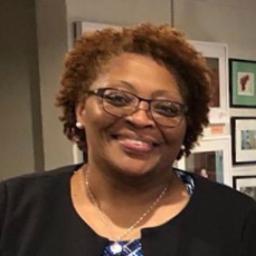
About Laura
Rev. Laura Gillom is an LCSW practicing in Mississippi with 15 years of clinical experience. She works with adults facing stress, anxiety, depression, grief, anger, and struggles with self-esteem and addiction.
Her approach is warm and interactive, and she aims to listen first and respond with practical steps people can try between sessions. Laura draws from a few different therapy styles to match each person's needs. She uses Cognitive Behavioral Therapy to identify unhelpful thinking and try small behavior changes.
Background and approach
Narrative Therapy helps people reframe the story they tell about themselves. Solution-Focused Therapy focuses on what is already working and builds on strengths. Sessions are conversational and goal-oriented.
The therapist and client set clear, small goals and check progress regularly. People can expect to talk through recent problems, practice new skills, and plan simple experiments to test changes in daily life. Laura emphasizes respect, dignity, and sensitivity in every conversation.
She avoids labels and works to reduce shame and isolation. Common areas she addresses include communication problems, forgiveness, guilt and shame, and compassion fatigue. Her background includes extensive experience with trauma and emotional abuse across many situations.
She offers video calls, phone sessions, live chat, and text-based messaging as ways to connect. To begin, people complete a short matching questionnaire and schedule according to availability.
Therapeutic approaches for online healing
Rev. Laura Gillom uses Cognitive Behavioral Therapy and Narrative Therapy in online sessions. Cognitive Behavioral Therapy looks at thinking patterns and behavior links, then tries small experiments to reduce anxiety or depressive symptoms. Narrative Therapy helps people reframe the stories they tell about themselves, which can ease guilt, shame, or feelings of isolation.Choosing the right approach is a team effort. The therapist will ask about goals, history, and what has or hasn’t helped before. Together they will try methods that fit the person's needs and adjust the plan as they learn what works best.
Online formats include video calls, phone sessions, live chat, and text-based messaging to provide flexible ways to stay connected. Video is useful for deeper conversation and visual cues. Phone calls can be easier when bandwidth is limited or when someone prefers not to be on camera. Live chat and text messaging allow for brief check-ins and ongoing support between longer sessions. These options help people fit therapy into busy days and different routines.
Frequently asked questions
What concerns does she address?
What is her general therapy style?
How much clinical experience does she have?
What credentials and location apply?
Which languages and international options are supported?
What session formats are available?
How does payment or cost work?
How do I begin working with her?
Specialties and expertise
Top specialties
- Stress, Anxiety
- Grief
- Anger management
Also works with
Therapeutic approaches
- Experience
- 15 years
- Licensed
- Mississippi
- Languages
- English