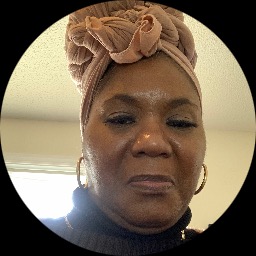
About Kim
Kim Taylor is a licensed clinical social worker in North Carolina with 20 years of experience. She focuses on stress, anxiety, addictions, trauma and abuse, self-esteem, and major life transitions. Kim aims to create a calm space where people can talk honestly about what they are facing and begin to feel more in control.
Her approach blends practical skills and trauma-informed care. She uses Cognitive Behavioral Therapy to help people notice patterns of thought and try different responses.
Background and approach
Eye Movement Desensitization and Reprocessing and Trauma-Focused Therapy are used when past experiences keep causing pain in day-to-day life. Motivational Interviewing is part of her toolbox for building motivation and setting realistic steps toward change. Mindfulness techniques help individuals reduce stress and stay grounded during difficult moments.
These methods are offered in ways that match a person’s pace and goals. Kim has worked across a range of concerns linked to relationships and wellbeing. She supports people dealing with abandonment, chronic pain or illness, communication problems, divorce or separation, domestic violence, and substance concerns.
She also helps with guilt, shame, isolation, panic, and mood challenges. In sessions she listens without judgment and partners with people to set clear, achievable goals. Kim explains options, practices skills together, and checks in on what is helpful.
Her style is straightforward, steady, and aimed at practical progress.
Therapeutic approaches adapted for online care
Kim commonly uses Cognitive Behavioral Therapy to help people spot and change unhelpful thought patterns and behaviors, which can ease anxiety and boost coping skills. She also offers EMDR for people whose past events continue to cause distress, guiding them through a structured process to reduce the hold of painful memories.Choosing the right approach is a collaborative process. The therapist will discuss your concerns, try techniques, and adjust the plan based on how you respond. Together you decide which methods fit your goals and pace, and progress is reviewed regularly.
Online therapy is offered through video calls, phone sessions, live chat, or text-based messaging to make care more flexible. Video calls work well for longer sessions where visual cues matter, while phone sessions need less bandwidth and can fit into a short break. Live chat and text-based messaging let people check in between meetings or use written reflection when that feels easier. These options help make consistent work on goals possible despite busy schedules or distance.
Frequently asked questions
What concerns can be addressed in sessions?
What is her therapeutic style like?
How much experience does she have?
Where is Kim licensed and what is her credential?
Are sessions available in other languages or internationally?
What session formats are offered?
How is cost handled?
How do I begin therapy with her?
Specialties and expertise
Top specialties
Also works with
- Abandonment
- Chronic pain, illness, and disability
- Communication problems
- Coping with life changes
- Divorce and separation
- Domestic violence
- Drug and alcohol addiction
- Forgiveness
- Guilt and shame
- Isolation / loneliness
- Mood disorders
- Panic disorder and panic attacks
- Post-traumatic stress
- Self esteem
- Self-love
- Women's issues
Therapeutic approaches
- Experience
- 20 years
- Licensed
- North Carolina
- Languages
- English