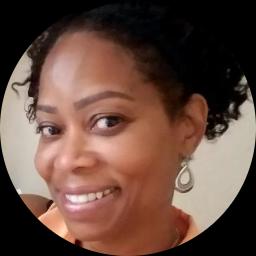
About Karen
Dr. Karen Vertti helps people facing stress, anxiety, relationship strain, trauma and abuse, self-esteem struggles, and depression. She brings three decades of experience and a direct, practical style to sessions.
She treats a wide range of related concerns, including attachment and communication problems, addiction and domestic violence effects, and issues that arise from family of origin and divorce. Her approach is straightforward and strengths-focused. She helps people identify what is working in their lives and build on those parts.
Background and approach
Sessions aim to set clear goals and small, doable steps toward change. Dr. Vertti uses methods drawn from cognitive behavioral therapy, solution-focused therapy, and trauma-focused work.
She explains ideas in plain language and helps people try techniques between meetings. That way progress can continue outside of sessions. Clients can expect a calm, practical conversation about what matters now.
She emphasizes collaboration - clients decide which goals feel most important. The process is paced to each person’s needs and comfort. Dr.
Vertti holds a license as a licensed clinical social worker, LCSW, and has practiced for 30 years in Florida and California. Her background includes work with people dealing with addiction, dissociation, fertility and fatherhood concerns, and blended family challenges. She offers sessions in English and provides several online formats.
Approaches that translate to online therapy
Dr. Vertti uses cognitive behavioral therapy to help people spot unhelpful thoughts and test small behavioral changes. CBT is useful for anxiety, low mood, and stress because it focuses on practical steps and clear skill-building.She also draws on trauma-focused therapy to address the effects of past harm. That work centers on stabilizing symptoms, developing coping strategies, and slowly working through traumatic memories in manageable ways.
Finding the best approach is a team effort. She talks with each person about their goals, symptoms, and preferences, and then suggests methods to try. Plans can be adjusted as work proceeds so the approach fits the individual’s needs.
Online sessions make it easier to fit therapy into busy lives. Video calls allow face-to-face conversation when that is preferred. Phone sessions can be lower bandwidth and work well for short check-ins. Live chat and text-based messaging are useful for frequent, brief support or when writing out thoughts helps clarify feelings. These options provide flexibility so people can choose what works for them and their schedule.
Frequently asked questions
What concerns does she help with?
How would you describe her therapeutic style?
What is her experience in the field?
Where is she licensed and based?
Which languages are sessions offered in?
Can international clients work with her?
What session formats are available?
How are fees and starting steps handled?
Specialties and expertise
Top specialties
- Stress, Anxiety
- Relationship issues
- Trauma and abuse
Also works with
- Antisocial personality
- Attachment issues
- Autism and Asperger Syndrome
- Blended family issues
- Codependency
- Communication problems
- Control issues
- Depression
- Dissociation
- Divorce and separation
- Domestic violence
- Drug and alcohol addiction
- Family of origin issues
- Family problems
- Fatherhood issues
- Fertility issues
- Gender dysphoria
- Guilt and shame
- Multicultural concerns
- Panic disorder and panic attacks
- Polyamory / non-monogamous relationships
- Post-traumatic stress
- Postpartum depression
- Pregnancy and childbirth
- Process addiction (porn, exercise, gambling)
- Self esteem
- Self-love
- Sex addiction
- Sexual assault and abuse
- Veteran and Armed Forces Issues
Therapeutic approaches
- Experience
- 30 years
- Licensed
- California, Florida
- Languages
- English