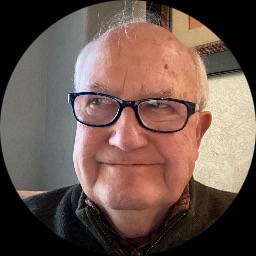
About John
John Buchanan is a licensed clinical social worker who brings two decades of experience to his practice in New Mexico. He focuses on helping people manage stress, anxiety, depression, and issues stemming from trauma and abuse. He aims to make first steps feel less daunting and to support steady progress toward clearer goals.
He creates a calm, nonjudgmental space where clients can talk about what matters to them. Sessions are conversational and practical.
Background and approach
He listens first, then helps people find small changes that make daily life easier. John uses a mix of approaches that match each person's needs. He draws on client-centered work to follow the person's lead, cognitive behavioral ideas to address unhelpful thinking, and solution-focused techniques to set short-term goals.
This combination helps with mood problems, low self-esteem, and reactions after stressful events. People who contact him often want straightforward tools for coping. He can help with caregiver stress, questions about life purpose, codependency, and issues faced by veterans and armed forces members.
He pays attention to how symptoms affect everyday routines and responsibilities. Sessions aim to be practical and goal-oriented while staying flexible to each person’s pace. John supports clients as they try new ways of thinking and acting, and he helps track progress so adjustments can be made along the way.
How these approaches work in online therapy
Client-Centered Therapy focuses on listening and following the person’s priorities. The therapist offers empathy and reflection so clients feel heard and can clarify what matters most. This approach helps when someone needs to make sense of strong feelings or decide next steps.Cognitive Behavioral Therapy, or CBT, looks at the links between thoughts, feelings, and actions. It uses simple exercises to test unhelpful thoughts and to build new coping habits. CBT can be helpful for anxiety, depression, and social worries.
Solution-Focused Therapy zeroes in on small, practical steps toward clear goals. Sessions identify strengths and past successes, then set short-term actions that create quick momentum. This approach works well when someone wants concrete changes without long-term planning.
Finding the right mix of methods is part of the work together. The therapist will collaborate with each person to choose approaches that fit their needs, goals, and comfort level. That plan can change as progress is tracked and new priorities emerge.
Online therapy offers several practical benefits. Video calls let people use face-to-face conversation even when travel is hard. Phone sessions work well when bandwidth is limited or a shorter check-in is needed. Live chat and text messaging make it easier to fit brief updates or to reflect between sessions. These options make scheduling more flexible and help therapy fit into busy lives.
Frequently asked questions
What concerns does John commonly address?
What is his therapy style like?
How much experience does he have?
What are his credentials and where is he based?
Which languages are supported for sessions?
What session formats are offered?
How does pricing work?
How do I begin working with him?
Specialties and expertise
Top specialties
Also works with
Therapeutic approaches
- Experience
- 20 years
- Licensed
- New Mexico
- Languages
- English