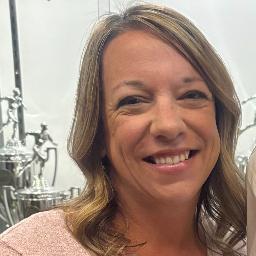
About Jennifer
Jennifer Oley is a licensed clinical social worker with eighteen years of experience. She helps people who are overwhelmed by stress, anxiety, depression, or low self-esteem. Parents and adults who feel isolated or who want to improve relationships often find practical support in her sessions.
She aims to create a calm, respectful space where someone can speak openly and be heard. Jennifer focuses on straightforward, real-world strategies. She works with people to identify what's not working and to build small, manageable changes.
Background and approach
Conversations cover emotional skills, better ways to communicate with others, and steps toward greater self-love. The emphasis is on actions that make daily life easier, not on labels. Her work draws on evidence-based therapeutic techniques to help people build emotional resilience.
Jennifer uses collaborative problem-solving so goals come from the client’s needs and experience. She pays attention to family patterns and relationship dynamics when those affect mood and stress. Jennifer is licensed in Virginia as a licensed clinical social worker, LCSW.
She pairs her years of practice with a steady, respectful approach to listening and planning. Sessions are paced to fit each person’s situation and capacity for change. People who choose her typically want clear steps, practical tools, and a supportive listener.
She helps clients translate insight into manageable routines and better ways of relating. The aim is to make improvements that last and feel realistic for everyday life.
Therapeutic approaches and online care
Jennifer uses evidence-based therapeutic techniques to help people manage mood and improve relationships. One common approach she uses focuses on building emotional skills and resilience through practical exercises and regular practice. This kind of work helps when anxiety or depression make daily tasks harder and when someone needs tools to steady their mood and energy levels.Another emphasis is on improving interpersonal communication and problem-solving. Sessions can include role-play, practice conversations, and clear steps to change how you relate with others. This approach is useful for reducing repeated conflict and for people who want better ways to express needs and set boundaries.
Choosing the right approach is a shared process. The therapist works together with each person to identify goals, try techniques, and adjust plans based on what helps most. That collaborative process makes it easier to find methods that fit a person's life and preferences.
Online therapy offers practical benefits for busy lives. Video calls let you meet face-to-face when you prefer visual connection. Phone sessions can work well when bandwidth is low or when a quick check-in is needed. Live chat and text-based messaging provide shorter, flexible ways to touch base between sessions. These options make it easier to keep therapy consistent around work, family, and daily routines.
Frequently asked questions
What concerns does this therapist help address?
What is her general therapy style?
How long has she been practicing?
What are her official credentials and where is she based?
Which languages are sessions offered in?
What session formats are available?
How is cost handled for sessions?
How do I begin working with her?
Specialties and expertise
Top specialties
- Stress, Anxiety
- Relationship issues
- Family conflicts
Also works with
- Experience
- 18 years
- Licensed
- Virginia
- Languages
- English