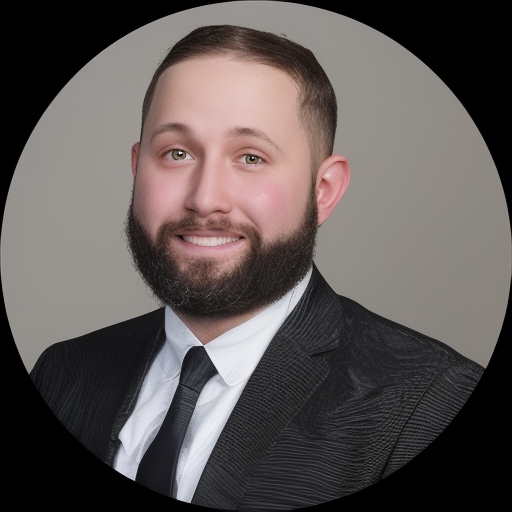
About James
James Cherry is a licensed clinical social worker who helps people manage relationship stress, trauma recovery, bipolar-related concerns, and coaching for life changes. He speaks plain language and focuses on practical steps people can use right away. He works with clients to improve communication, reduce social anxiety, and build more self-compassion.
James draws on seven years of clinical experience in New York as a LCSW. He listens for what matters most to each person and then crafts simple, realistic goals.
Background and approach
Sessions emphasize understanding how emotions, memories, and habits affect daily life. In practice he guides people through concrete skills for handling intense feelings and awkward conversations. That may include pacing emotional reactions, practicing new ways to speak up, or reducing self-critical thinking.
He also helps people untangle guilt and shame so they can make clearer choices. Sessions are collaborative and goal-oriented. James explains options, tries approaches, and adjusts plans based on what actually helps.
He aims to make progress feel measurable and personally meaningful. People seeking help can expect straightforward language and step-by-step guidance. The focus is on building stronger emotional resilience and clearer communication for life outside therapy.
Practical approaches for online healing and growth
James uses evidence-based techniques that focus on real-world change. One common approach helps people learn skills to manage strong emotions and reduce reactivity; it teaches pacing, grounding, and clearer expression so intense moments feel more manageable. Another approach focuses on improving communication by practicing how to state needs, set boundaries, and repair misunderstandings; this is useful for people dealing with ongoing relationship strain or social anxiety.Finding the right way to work is part of therapy. The therapist will collaborate with each person to pick methods that match their goals, preferences, and daily life. Choices are adjusted over time so the work stays relevant and practical rather than theoretical.
Online formats include video calls, phone sessions, live chat, and text-based messaging. Video calls allow face-to-face conversation when visual cues matter. Phone sessions can fit a short break at work or be easier when bandwidth is limited. Live chat and messaging are useful for quick check-ins, skill practice between sessions, and ongoing support without scheduling full calls. These options make it easier to fit therapy into busy routines while maintaining steady progress.
Frequently asked questions
What concerns does James focus on?
What is his therapeutic style like?
How much clinical experience does he have?
What credentials and location are listed?
Which languages are supported?
What session formats are available?
How is cost handled for sessions?
What steps are needed to begin working with him?
Specialties and expertise
Top specialties
- Relationship issues
- Trauma and abuse
- Bipolar disorder
Also works with
- Experience
- 7 years
- Licensed
- New York
- Languages
- English