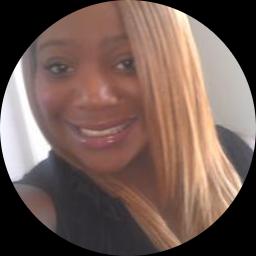
About Iesha
Iesha Bell is a licensed clinical social worker in North Carolina who helps people facing family stress, anger, low self-esteem, depression, and ADHD-related struggles. She aims to make conversations clear and direct so parents and caregivers can find practical ways forward. Iesha writes treatment plans to match each person’s situation rather than using a one-size-fits-all method.
Iesha draws on 13 years of experience supporting people through communication problems, impulsivity, and feelings of isolation.
Background and approach
She also works with concerns like attachment and abandonment, guilt and shame, body image, and issues that arise around pregnancy and childbirth. Her focus includes helping people rebuild self-love, rethink life purpose, and manage mood or post-traumatic stress symptoms. Sessions with Iesha emphasize respect and sensitivity.
She listens for strengths you already have and helps you build on them. Conversations are practical and grounded, aiming to change patterns that feel stuck or overwhelming. When anger or impulsivity shows up, she helps people notice triggers and try alternatives that feel doable in daily life.
For relationship stress and communication breakdowns, she helps people practice clearer ways to say what they need. For depression and low self-worth, she supports step-by-step shifts that make difficult days feel more manageable. Iesha works with each person to set realistic goals and track progress.
She encourages people to take small, steady steps toward change and offers steady support along the way.
Evidence-based techniques and flexible online care
Two common, evidence-based ways therapists often use are problem-focused skill building and trauma-informed strategies. Problem-focused skill building teaches practical steps - for example, ways to manage anger, improve communication, or break tasks into smaller parts for ADHD challenges. Trauma-informed strategies focus on safety and pacing so people can work through painful memories at a manageable speed.Finding the right approach is a collaborative process. The therapist will listen to your goals and try methods that match your needs. If something isn’t helping, adjustments are made together until the plan fits your life and priorities.
Online therapy offers several practical benefits. Video calls allow face-to-face conversation when a visual connection matters. Phone sessions work well when bandwidth is limited or when you prefer not to use video. Live chat and text-based messaging let you check in between sessions, send quick updates, or have shorter moments of support without scheduling a full call. These options make it easier to get consistent help while juggling family, work, or other responsibilities.
Frequently asked questions
What concerns does Iesha commonly address?
What is her general approach in sessions?
How much experience does she have?
What credentials and location information are on file?
Which languages and international options are available?
What session formats are offered?
How is cost handled for sessions?
How do I begin working with her?
Specialties and expertise
Top specialties
- Family conflicts
- Anger management
- Self esteem
Also works with
- Experience
- 13 years
- Licensed
- North Carolina
- Languages
- English