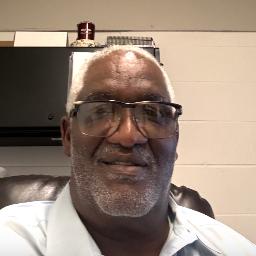
About Howard
Howard Walker is a licensed clinical social worker who helps people facing stress, anxiety, depression, and relationship struggles. He meets people where they are and focuses on practical steps to reduce daily distress. Sessions are conversational and aimed at helping people feel steadier and more able to cope.
With 28 years of experience in Texas, he has worked with many adults dealing with trauma and abuse and with the long-term impacts of shame, guilt, and isolation.
Background and approach
His work often centers on rebuilding self-esteem and clarifying life purpose after difficult events. He emphasizes real-world change over abstract talk. Howard uses evidence-based therapeutic techniques and adapts them to each person’s needs.
He pays attention to how past hurts affect current relationships and looks for ways to repair emotional wounds. He also helps people develop skills to manage strong feelings and stress in day-to-day life. Sessions strike a balance between emotional processing and practical tools.
He encourages small experiments between sessions to test new ways of coping. The goal is to help people move from feeling stuck to feeling more in control of their choices. People who want straightforward guidance and steady support may find his style helpful.
He aims to create a respectful, nonjudgmental atmosphere so people can talk honestly about guilt, forgiveness, and how to make meaningful changes in life.
Evidence-based approaches and online care
Howard uses evidence-based therapeutic techniques that focus on understanding and changing patterns that cause distress. One common approach is trauma-informed work, which helps people process past harm and reduce the ways those events shape current emotions and relationships. This approach can help with symptoms following abuse or other painful experiences.Another frequently used method focuses on skills for anxiety and stress management. That involves learning practical breathing, thinking, and behavior strategies to reduce intense feelings and improve day-to-day functioning. These tools are useful for handling workplace pressure, worry, and overwhelming moments.
Finding the right approach is part of the work together. The therapist will talk with each person about their goals and preferences and adjust methods accordingly. That collaborative process helps pick techniques that fit the person’s needs and life circumstances.
Online sessions are offered by video call, phone, live chat, or text-based messaging to give flexibility. Video is well suited to fuller conversations and visual cues, while phone sessions need less bandwidth. Live chat and text messaging can be a convenient way to check in between longer appointments. These options make it easier to schedule consistent support around work and family demands.
Frequently asked questions
What concerns does this therapist commonly address?
What is the therapist's general approach to therapy?
How much experience does the therapist have?
What credentials and location are listed for this therapist?
Which languages are sessions offered in and can international clients join?
What session formats are available for online work?
How does pricing work for sessions?
What are the first steps to begin therapy?
Specialties and expertise
Top specialties
- Stress, Anxiety
- Relationship issues
- Trauma and abuse
- Experience
- 28 years
- Licensed
- Texas
- Languages
- English