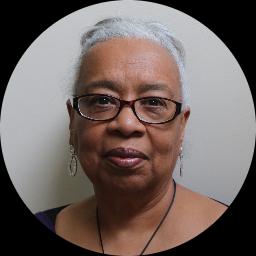
About Hope
Hope Richardson helps people facing stress, anxiety, grief, low self-esteem, depression, and big life changes. She presents herself plainly and focuses on practical steps someone can use right away. Hope works with adults who want to feel steadier and more confident in daily life.
She is a licensed clinical social worker (LCSW) in Virginia and brings 20 years of experience to her practice. Her style is warm and down-to-earth. She treats each person as the expert of their own story and looks for strengths to build on.
Background and approach
Sessions are conversational and goal-focused, often breaking problems into small steps that feel doable. Hope commonly uses client-centered approaches to listen and reflect what matters most to each person. She also draws on cognitive behavioral therapy to spot unhelpful thinking and try new patterns that ease symptoms and improve mood.
Both approaches are practical and aim to change what happens day to day. She offers care for concerns tied to aging, caregiving stress, chronic illness or pain, communication problems, control issues, guilt and shame, loneliness, life purpose, veteran issues, and women's matters. Expect steady support, clear ideas, and an emphasis on actions you can try between sessions.
Hope encourages anyone who is nervous about starting to take a small step. She guides scheduling and explains how different session formats work so therapy fits into a busy life.
How Hope's Approaches Work Online
Client-centered therapy focuses on listening and understanding what matters most to each person. The therapist reflects back your concerns and helps you identify your own goals, so sessions feel personal and driven by your priorities.Cognitive behavioral therapy (CBT) looks at how thoughts, feelings, and actions connect. It uses simple exercises to test unhelpful thinking and try different behaviors that can reduce anxiety and lift mood over time.
Choosing the right approach is part of the work. Hope will collaborate with you to decide which methods fit your needs and goals, and she will adjust the plan as you make progress. The process is shared and practical rather than fixed.
Online therapy makes it easier to fit sessions into a busy life. Video calls let you meet face to face, phone sessions are handy when bandwidth is limited, live chat can be used for quicker check-ins, and text-based messaging supports ongoing reflection between meetings. These options let people choose what works best for their schedule and comfort while still getting consistent therapeutic guidance.
Frequently asked questions
What types of concerns does Hope support?
How would you describe her therapy style?
What is her professional background?
What are her credentials and where is she located?
Which languages are sessions offered in?
What session formats are available?
How is cost handled for sessions?
How do I begin working with Hope?
Specialties and expertise
Top specialties
Also works with
Therapeutic approaches
- Experience
- 20 years
- Licensed
- Virginia
- Languages
- English