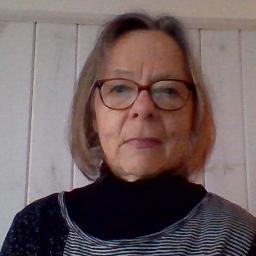
About Gloria
Dr. Gloria Fennell is a Licensed Independent Clinical Social Worker in Minnesota and a Licensed Clinical Social Worker in Wisconsin. She holds a Ph.D. in Clinical Social Work from Loyola University Chicago and brings two decades of clinical practice and teaching experience to her work.
Her earlier career as a registered nurse in trauma shaped how she understands stress and crisis. She has worked in schools, community mental health settings, and independent practice.
Background and approach
She also spent 20 years teaching social work at graduate and undergraduate levels. That mix of frontline care and education influences how she explains options and guides next steps. In sessions she emphasizes strengths and practical steps.
Goals and interventions are chosen together. She uses clear language and concrete tools so people can try small changes between sessions. Common concerns she helps address include stress, anxiety, grief, depression, addiction, and relationship or intimacy-related issues.
She also focuses on caregiver strain, aging and geriatric concerns, hospice and end-of-life counseling, and issues first responders often face. Her clinical approaches include Acceptance and Commitment Therapy, Cognitive Behavioral Therapy, mindfulness practices, client-centered conversations, and motivational interviewing. These methods are applied flexibly to match the problem at hand.
She aims to help people build coping skills, steady emotions, and find direction after hard life changes.
Therapeutic approaches and online care
Acceptance and Commitment Therapy (ACT) helps people notice difficult thoughts and feelings without getting stuck in them. It focuses on values and small actions that move a person toward what matters. Cognitive Behavioral Therapy (CBT) breaks down unhelpful thinking and behavior patterns and replaces them with practical skills for managing mood and stress. Client-Centered Therapy centers the conversation on the person’s experience, with the therapist offering empathy and gentle guidance to help clarify goals.Deciding which approach to use is a collaborative process. The therapist will talk with the person about their needs, goals, and what feels most helpful. Together they will try methods and adjust as progress is tracked, keeping the plan flexible to fit real life.
Online sessions are offered by video call, phone, live chat, or text-based messaging to make scheduling easier. Video calls allow face-to-face work when that is helpful. Phone sessions can be a good option when bandwidth is limited or when a session needs to fit into a break at work. Live chat or text messaging can support quick check-ins, brief coaching, or ongoing encouragement between longer sessions.
Frequently asked questions
What kinds of concerns does she help with?
What is her therapeutic style like?
How much clinical experience does she have?
What credentials and location are listed?
Which languages are supported for sessions?
What session formats are available?
How does billing and cost work?
How do I begin working with her?
Specialties and expertise
Top specialties
Also works with
- Addictions
- Aging and geriatric issues
- Career difficulties
- Caregiver issues and stress
- Coaching
- Communication problems
- Compassion fatigue
- Coping with life changes
- Depression
- Family conflicts
- First responder issues
- Forgiveness
- Hospice and end-of-life counseling
- Intimacy-related issues
- Isolation / loneliness
- LGBT
- Life purpose
- Parenting issues
- Relationship issues
- Seasonal Affective Disorder (SAD)
- Trauma and abuse
Therapeutic approaches
- Experience
- 20 years
- Licensed
- Wisconsin, Minnesota
- Languages
- English