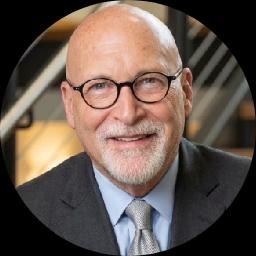
About George
Dr. George Savarese helps people who are feeling stuck, overwhelmed, or worn down by life. He focuses on relationship troubles, trauma and abuse, self-esteem, depression, and stress.
He has worked in the field for many years and aims to make starting help feel manageable and clear. George brings 40 years of professional experience to his practice. He believes people know their own stories best and that their strengths matter in making change.
Background and approach
Sessions are conversational and practical, with attention to what a person wants to try next rather than long lectures. In therapy he listens for patterns that keep problems repeating. Then he helps clients test different ways of responding.
That can mean practicing new skills in session and planning small steps between meetings. He also supports people facing grief, eating concerns, life transitions, and anxiety. He pays attention to how medical, aging, or injury-related issues affect mood and daily life.
His approach aims to be down-to-earth and focused on real-life needs. George holds an Illinois Licensed Clinical Social Worker credential, LCSW. He speaks English and offers sessions through video calls, phone, live chat, and text messaging.
For people who want to begin, he guides them through an initial matching and scheduling process.
Practical approaches for online care
Many clients find benefit from approaches that focus on current problems and teach concrete skills. One common method looks at how thoughts, feelings, and actions interact to maintain difficulties; it helps people test new ways of coping and reduce symptoms of anxiety or depression. Another useful way focuses on processing the effects of trauma and building safety in daily routines, which can ease intrusive memories and improve sleep and mood.Figuring out which approach fits best is part of the work. The therapist collaborates with each person to set goals and to try techniques that match their needs, pace, and preferences. That collaborative stance makes it easier to adjust methods over time if something isn’t helping.
Online sessions offer flexible options to suit different days and schedules. Video calls let people use face-to-face conversation when they want a fuller interaction. Phone sessions can be simpler when bandwidth is limited or a shorter check-in is needed. Live chat and text messaging support brief check-ins, written reflection, and ongoing contact between longer sessions. These formats make it possible to fit therapy into busy lives while keeping the focus on practical steps and steady progress.
Frequently asked questions
What concerns does he help with?
What is his therapeutic style like?
How much experience does he have?
What credentials and location information are on file?
Which languages are supported for sessions?
What session formats are available?
How does payment and cost work?
How do I begin working with him?
Specialties and expertise
Top specialties
- Relationship issues
- Trauma and abuse
- Self esteem
Also works with
- Aging and geriatric issues
- Avoidant personality
- Coping with life changes
- Dependent personality
- Depression
- Eating and food-related issues
- Eating disorders
- Family conflicts
- Family problems
- Grief
- Isolation / loneliness
- Midlife crisis
- Obsessions, compulsions, and OCD
- Post-traumatic stress
- Seasonal Affective Disorder (SAD)
- Stress, Anxiety
- Traumatic brain injury
- Experience
- 40 years
- Licensed
- Illinois
- Languages
- English