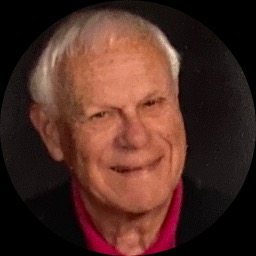
About Gabriel
Gabriel Kajeckas brings more than three decades of clinical experience to his work in Virginia. He holds an MD and practices as a licensed clinical social worker - LCSW and LCSW-C - and focuses on helping people manage stress, anxiety, addictions, relationship strain, and grief.
Gabriel speaks in plain terms and aims to make first steps into therapy feel doable for worried parents and other adults. He works with individuals who are coping with family-of-origin wounds and addictive patterns.
Background and approach
He also supports people facing cancer, hospice and end-of-life issues, and the heavy emotions that come with divorce, separation, or caregiving. Sleep and eating concerns, impulsivity, and compassion fatigue are other areas he addresses. Gabriel uses practical approaches to help people change unhelpful behaviors and build on personal strengths.
He draws on attachment ideas to look at close relationships and on cognitive strategies to shift difficult thoughts. Motivational interviewing is part of his work with substance and process addictions, helping people find their own reasons to change. Sessions are conversational and goal-focused.
Gabriel aims to help clients notice patterns, try small experiments, and make choices that fit their values. He emphasizes collaboration and steady progress rather than quick fixes. People who want a straightforward, experienced clinician and who prefer a mix of practical tools and relationship-focused work often find his style a good fit.
He offers services in English and accepts international clients, working via video, phone, chat, or text.
How Gabriel’s Approaches Work Online
Attachment-Based Therapy looks at patterns in close relationships and how early bonds shape current behavior. It helps people understand why they react a certain way with partners or family and supports building more stable connections.Cognitive Behavioral Therapy, or CBT, focuses on the link between thoughts, feelings, and actions. It teaches concrete skills to challenge unhelpful thoughts, change behaviors, and improve mood or sleep over time.
Trauma-Focused Therapy offers ways to address the lingering impact of past trauma by working at a pace the person can manage. Techniques aim to reduce overwhelming reactions and increase coping skills for everyday life.
Finding the right approach is part of the work together. The therapist will talk with the client about goals, preferences, and what feels most helpful. Choices about methods are made collaboratively and can shift as progress is made.
Online sessions make it easier to fit therapy into busy lives. Video calls let people use body language and see facial cues. Phone sessions require less bandwidth and can be a simpler check-in. Live chat or text-based messaging offer brief, ongoing support between longer sessions. These options help people keep therapy consistent around work, caregiving, or medical appointments.
Frequently asked questions
What concerns does Gabriel commonly help with?
What is his therapeutic style like?
How long has he been practicing?
What credentials and location are listed?
Which languages and international options are available?
What session formats does he offer?
How is cost handled for sessions?
How do I begin working with him?
Specialties and expertise
Top specialties
- Stress, Anxiety
- Addictions
- Relationship issues
Also works with
- ADHD
- Cancer
- Codependency
- Compassion fatigue
- Control issues
- Dependent personality
- Divorce and separation
- Drug and alcohol addiction
- Eating disorders
- Family conflicts
- Family of origin issues
- Forgiveness
- Grief
- Guilt and shame
- Hospice and end-of-life counseling
- Impulsivity
- Life purpose
- Process addiction (porn, exercise, gambling)
- Self-love
- Sex addiction
- Sleeping disorders
- Smoking / vaping cessation
Therapeutic approaches
- Experience
- 32 years
- Licensed
- Virginia, Maryland
- Languages
- English