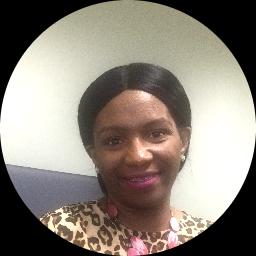
About Gabrialle
Gabrialle Taylor helps people facing stress, anxiety, addictions, trauma, and depression. She introduces coaching strategies alongside therapy to help people set practical goals and make steady changes. Gabrialle speaks plainly and keeps sessions focused on what feels most important to each person.
She has 17 years of professional experience and holds LISW-CP and LCSW credentials. Gabrialle works with each person to shape a plan that fits their life and values.
Background and approach
Conversations are practical and aim to build small, usable skills for daily life. Her work often addresses caregiver strain, codependency, and communication problems. She also supports people dealing with divorce, grief, guilt, shame, and questions about life purpose.
HIV / AIDS related concerns and mood disorders are within her areas of focus. Gabrialle uses methods drawn from Cognitive Behavioral Therapy and Motivational Interviewing. She helps people spot unhelpful thinking, test new behaviors, and find motivation to change.
Sessions combine reflection, goal-setting, and skills practice. Located in New Jersey, she brings a respectful, down-to-earth style. Gabrialle aims to meet people where they are and work at a pace that feels manageable.
Taking the first step can be hard, and she offers steady support along the way.
How CBT and Motivational Interviewing work online
Gabrialle uses Cognitive Behavioral Therapy to help people notice unhelpful thoughts and try different actions. CBT breaks problems into small parts so you can test what changes help with mood and anxiety. Motivational Interviewing focuses on your reasons to change and helps build the motivation to take concrete steps. It is useful when someone feels stuck or unsure about next steps.Finding the right approach is part of the work together. Gabrialle will listen to your goals and preferences, and then suggest methods that fit what you want to achieve. The choice of technique is collaborative and can change as progress is made.
Online sessions are offered by video calls, phone sessions, live chat, or text-based messaging to match different needs. Video allows a fuller face-to-face conversation. Phone calls can be easier when bandwidth is limited or for a shorter check-in. Live chat and text messaging let you share updates or get support between longer sessions. These options make it easier to fit therapy into a busy schedule and to keep momentum between meetings.
Frequently asked questions
What concerns does she help with?
What is her therapeutic style like?
How much clinical experience does she have?
What credentials and location are listed?
Which languages and international clients are supported?
In what formats are sessions offered?
How are costs and billing handled?
What are the steps to begin working together?
Specialties and expertise
Top specialties
Also works with
Therapeutic approaches
- Experience
- 17 years
- Licensed
- New Jersey, New York, South Carolina
- Languages
- English