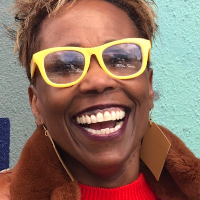
About FreEtta
FreEtta Nelson-Hemphill is a Licensed Certified Social Worker who brings 26 years of experience to her psychotherapy practice. She greets clients with warmth and a practical approach, often inviting them to use the name Fritzi. Her work centers on helping people address stress, anxiety, depression, parenting challenges, and self-esteem struggles.
She begins by listening closely and asking questions to build a clear picture of daily life. That helps identify what is working and what needs to change.
Background and approach
Together with each person she sets realistic therapy goals based on those observations. FreEtta commonly uses cognitive behavioral approaches to help people spot and change unhelpful thoughts and habits. She also draws on mindfulness and psychodynamic ideas when those perspectives fit a person’s needs.
Trauma-focused work is part of her practice when past hurt affects day-to-day functioning. Sessions focus on practical steps you can try between meetings. She will coach on thinking patterns, coping skills, and small behavior shifts.
The aim is to create manageable changes that add up over time. Her background includes many years supporting people from varied cultural identities and life experiences. She encourages honest conversation and partners with clients to shape therapy so it fits their goals.
Her tone is direct, hopeful, and down-to-earth.
How therapeutic approaches translate to online care
FreEtta often uses cognitive behavioral therapy, which helps people identify and change unhelpful thoughts and behaviors. Online CBT can include homework, thought records, and step-by-step plans to reduce anxiety, depression, and stress-related patterns.She also incorporates mindfulness therapy to teach simple attention and grounding practices. Mindfulness skills taught online can help manage strong emotions, improve focus, and reduce rumination through short daily exercises.
Finding the right approach is part of the work together. She will talk with clients about goals, try methods that fit, and adjust plans based on what helps. That collaborative process aims to match tools to each person’s needs and preferences.
Online formats include video calls, phone sessions, live chat, and text-based messaging. Video calls are useful for face-to-face conversation and interactive exercises. Phone sessions can be easier when bandwidth is limited or when a shorter check-in is needed. Live chat and text messaging work well for brief updates, skill coaching between sessions, and flexible check-ins that fit a busy schedule. These options make it possible to fit therapy into work, school, or family routines while still using evidence-informed techniques.
Frequently asked questions
What kinds of concerns does she help with?
What is her style of therapy like?
How much clinical experience does she have?
What are her credentials and where is she based?
Can sessions be held in other languages or for international clients?
Which session formats are available?
How are fees and subscriptions handled?
What should I do to begin working together?
Specialties and expertise
Top specialties
- Stress, Anxiety
- Parenting issues
- Self esteem
Also works with
- Anger management
- Career difficulties
- Coping with life changes
- Depression
- Family conflicts
- Grief
- Immigration issues
- Intimacy-related issues
- Jealousy
- LGBT
- Midlife crisis
- Narcissism
- Self-love
- Social anxiety and phobia
- Trauma and abuse
- Women's issues
- Young adult issues
Therapeutic approaches
- Experience
- 26 years
- Licensed
- Arkansas
- Languages
- English