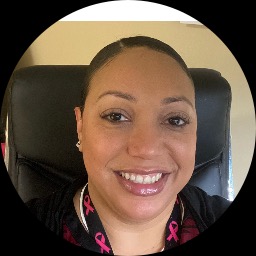
About Frantica
Frantica Hardaway is a licensed clinical social worker who uses client-centered care to help people facing stress, anxiety, depression, and addiction. She brings seven years of practice and focuses on restoring motivation, confidence, and coping skills. Her style is straightforward and calm, aimed at people who want practical steps and steady support.
She creates a space where clients can speak freely without judgment. Conversations focus on real problems and everyday solutions.
Background and approach
Frantica listens closely and helps clarify what matters most to each person. Her approach blends talk and action. Cognitive Behavioral Therapy helps people spot unhelpful thoughts and replace them with more useful ones.
Solution-Focused Therapy keeps sessions goal-oriented and brief when clients want focused change. Frantica also supports people coping with grief, relationship strain, career stress, compassion fatigue, ADHD, and issues that can come with aging or end-of-life care. She brings attention to multicultural and workplace concerns and addresses challenges specific to young adults and veterans when relevant.
Sessions are offered from New York and conducted in English. She uses simple language and collaborates on plan steps that fit daily life. For many people, therapy with her feels like learning tools to manage hard moments and build steady progress.
How these approaches work online
Client-Centered Therapy focuses on listening and understanding the person's experience. The therapist reflects back feelings and priorities so clients feel heard and can decide what to work on next. This approach is useful for building trust and exploring personal goals.Cognitive Behavioral Therapy, or CBT, helps people identify unhelpful thoughts and try small behavioral experiments. Online CBT sessions often include short exercises, worksheets, and homework that can be discussed over video or messaging to track progress between meetings.
Solution-Focused Therapy concentrates on practical steps and clear goals. Sessions move quickly to what will make a difference now, with action plans clients can test between meetings; it suits people seeking targeted change in a shorter time frame.
Finding the right approach is part of the process. The therapist will work collaboratively to choose methods that match a person's needs, goals, and preferences. That could mean emphasizing skill-building, exploring feelings, or focusing on concrete steps depending on what a person wants to achieve.
Online formats include video calls, phone sessions, live chat, and text-based messaging. Video is good for full conversations and visual cues, phone sessions use less bandwidth, and messaging or chat can fit quick check-ins or shorter reflections. These options make therapy more flexible for work breaks, caregiving schedules, or quieter moments, and let people keep momentum between appointments.
Frequently asked questions
What kinds of concerns are addressed?
How would you describe the therapy style?
What is the therapist's background?
What credentials and location are listed?
Which languages are offered and is remote international work available?
What session formats are used?
How does payment and cost work?
What are the first steps to begin?
Specialties and expertise
Top specialties
- Stress, Anxiety
- Addictions
- Anger management
Also works with
Therapeutic approaches
- Experience
- 7 years
- Licensed
- North Carolina, New York
- Languages
- English