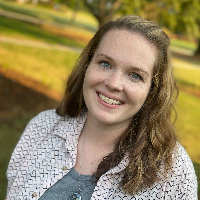
About Erica
Erica Crawford begins by sharing a straightforward goal: to be a steady, listening presence for people facing hard things. She is a Licensed Clinical Social Worker (LCSW) practicing in Georgia and brings four years of direct clinical experience to online therapy. Erica speaks plainly and keeps sessions focused on what matters most to each person.
Erica centers sessions on clear, practical conversation. She helps people who are coping with anxiety, depression, stress, grief, addictions, ADHD, major life changes, and relationship concerns.
Background and approach
She also addresses parenting questions, career stress, and sexuality issues, including matters important to LGBT people. Her background includes work in settings that exposed her to trauma and abuse, hospice and end-of-life counseling, caregiver stress, and aging-related issues. Erica uses approaches such as client-centered work, cognitive behavioral tools, narrative techniques, solution-focused strategies, and trauma-focused methods to tailor care to each person.
In session she listens without judgment and helps people name what feels overwhelming. Conversations aim to build practical steps, shift unhelpful patterns, and make everyday life more manageable. She adapts pace and focus to each person’s needs.
Erica offers sessions through video, phone, live chat, and text-based messaging to fit different schedules. She commonly communicates in the evenings and on weekends and checks messages at least once per day.
Approaches that guide online sessions
Client-centered work focuses on the person’s experience and priorities. The therapist listens closely and follows what matters most to the client, helping people feel heard and understood while they name goals and next steps.Cognitive Behavioral Therapy (CBT) looks at how thoughts, feelings, and actions link together. It helps people break down problems into small, manageable steps and try out different ways of thinking or behaving to reduce anxiety or depression.
Trauma-focused methods are used when past hurt affects daily life. These approaches help people process difficult memories and reduce their hold on current functioning, often by building coping skills and pacing the work to the person’s readiness.
Finding the right approach is part of the work. The therapist will talk with each person about their goals, needs, and preferences, and together they will decide which tools to use. This is a collaborative process that can shift over time as goals change.
Online therapy makes it easier to fit care into busy lives. Video calls allow face-to-face conversation, phone sessions use less bandwidth, live chat can be a quicker check-in, and text-based messaging supports short updates between sessions. These options let people choose what fits their schedule and communication style while keeping the focus on progress and practical change.
Frequently asked questions
What kinds of concerns can Erica help with?
How would you describe her therapy style?
What is her professional background?
Where is she licensed and what are her credentials?
Which languages are sessions offered in?
Can people from other countries work with her?
What session formats are available?
How does payment and scheduling work?
Specialties and expertise
Top specialties
Also works with
- Addictions
- ADHD
- Aging and geriatric issues
- Career difficulties
- Caregiver issues and stress
- Coping with life changes
- Depression
- Divorce and separation
- Guilt and shame
- Hearing impaired
- Hospice and end-of-life counseling
- Parenting issues
- Relationship issues
- Sexual assault and abuse
- Sexuality
- Stress, Anxiety
- Women's issues
Therapeutic approaches
- Experience
- 4 years
- Licensed
- Georgia
- Languages
- English