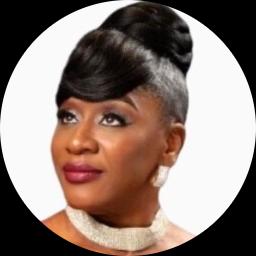
About Emma
Dr. Emma Norfleet is a licensed clinical social worker with decades of experience in mental health. She practices in Maryland and brings a steady, practical focus to concerns like stress, anxiety, grief, trauma, anger, and depression.
Dr. Norfleet holds both LCSW and LICSW credentials and has worked in the field for 30 years. Her approach centers on clear, structured conversations.
She helps people name what feels wrong and figure out small, doable steps to feel better.
Background and approach
Sessions emphasize practical strategies for mood regulation, managing strong emotions, and improving communication. She also supports people dealing with attachment wounds, abandonment fears, and workplace strain. Dr.
Norfleet uses evidence-based therapeutic techniques alongside a client's personal beliefs when relevant. That means working together to find approaches that fit each person’s values and daily life. She can guide someone through grief, post-traumatic stress reactions, social anxiety, or patterns of impulsivity and control.
Her style is calm and direct. She offers tools for coping and clearer ways to communicate with others. People who prefer a hands-on, goal-focused process tend to do well with her.
Practical matters are discussed openly in early sessions. She will talk about session format, how therapy fits into a weekly routine, and what progress might look like. The emphasis is on steady, useful work rather than quick fixes.
Evidence-based techniques and flexible online care
Dr. Norfleet uses evidence-based therapeutic techniques that focus on practical skills and healing from trauma. One common approach emphasizes skills for managing strong emotions and anger, teaching concrete techniques to pause, reflect, and respond rather than react. This helps people who struggle with impulsivity or frequent angry outbursts. Another approach centers on processing traumatic experiences in manageable steps while strengthening safety and coping skills, which is helpful for post-traumatic stress, abuse-related concerns, and chronic anxiety. Finding the right approach is part of the work. She will collaborate with each person to decide which techniques fit their goals, values, and daily life. That means adjusting pace, trying different strategies, and checking in regularly to see what is working. Online formats make this collaboration easier to fit into busy lives. Video calls let people use visual cues and a fuller conversational exchange, while phone sessions can be useful when bandwidth is limited or someone prefers not to be on camera. Live chat and text-based messaging support brief check-ins, homework exchanges, and flexible communication between sessions. These options aim to increase access and make steady progress possible despite a tight schedule.Frequently asked questions
What concerns does she help with?
What is her therapeutic style like?
How much experience does this therapist have?
What credentials and location are listed?
Which languages and international arrangements are available?
What session formats are offered?
How are fees and payment handled?
How do I get started with therapy?
Specialties and expertise
Top specialties
Also works with
- Experience
- 30 years
- Licensed
- District of Columbia, Maryland, Virginia
- Languages
- English