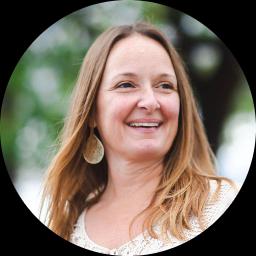
About Elizabeth
Elizabeth Tebo is a licensed clinical social worker practicing in California. She brings twenty years of experience helping people manage stress, anxiety, mood challenges, and major life transitions. Elizabeth approaches sessions with plain language and practical steps so clients can begin to feel different sooner rather than later.
She focuses on concerns such as depression, bipolar mood issues, trauma and abuse, grief, and relationship or intimacy-related difficulties. Elizabeth also helps with career strain, sleep problems, caregiver stress, and the emotional effects of fertility or end-of-life situations.
Background and approach
Her work includes support for people facing compassion fatigue and first responder stress. Her style is collaborative and strength-based. She treats clients as the experts of their own stories and helps them build on what already works.
In session she uses goal-oriented techniques alongside mindfulness and body-centered practices to address both thoughts and physical reactions. Elizabeth draws from Cognitive Behavioral Therapy, Dialectical Behavior Therapy, mindfulness practices, solution-focused methods, and somatic work. She mixes tools to match each person’s needs rather than sticking to a single method.
Sessions emphasize skills you can use between appointments. Appointments are offered via video, phone, live chat, or text-based messaging. Sessions use a subscription model that can be canceled at any time.
To begin, a short matching questionnaire is completed and scheduling follows based on therapist availability.
Approaches and how online sessions support progress
Elizabeth often uses Cognitive Behavioral Therapy to help people notice unhelpful thinking patterns and try small experiments that change thoughts and mood. CBT is useful for anxiety, depression, sleep problems, and many stress-related concerns.She also draws on Dialectical Behavior Therapy techniques to teach skills for managing intense emotions and improving relationships. DBT-style skills focus on emotion regulation, distress tolerance, and clearer communication. Mindfulness practices appear in sessions too to help people ground themselves and respond rather than react.
Choosing the right approach is a collaborative process. The therapist will review your concerns and goals, try methods that fit your needs, and adjust over time. Clients help set the pace and choose which tools feel most useful.
Online therapy options include video calls, phone sessions, live chat, and text-based messaging. Video sessions let you work face-to-face from wherever you are, while phone calls can be easier when bandwidth is limited or you want a shorter check-in. Live chat and text messaging make it possible to send brief updates, practice skills between appointments, or check in when scheduling a full session is difficult. These options aim to make regular care more flexible and easier to maintain.
Frequently asked questions
What kinds of concerns does this therapist address?
What is her therapeutic style like?
How long has she practiced?
What credentials and location apply to this clinician?
Which languages are supported for sessions?
In what formats are sessions offered?
How does billing and cost work?
What steps are needed to begin care?
Specialties and expertise
Top specialties
- Stress, Anxiety
- Relationship issues
- Trauma and abuse
Also works with
- Bipolar disorder
- Career difficulties
- Caregiver issues and stress
- Coaching
- Compassion fatigue
- Coping with life changes
- Depression
- Family conflicts
- Family of origin issues
- Fertility issues
- First responder issues
- Grief
- Guilt and shame
- Hospice and end-of-life counseling
- Intimacy-related issues
- Mood disorders
- Post-traumatic stress
- Self esteem
- Self-love
- Sexual assault and abuse
- Sleeping disorders
- Young adult issues
Therapeutic approaches
- Experience
- 20 years
- Licensed
- California
- Languages
- English