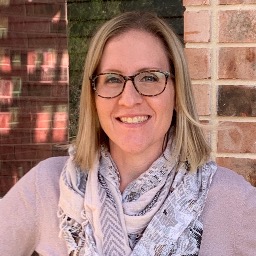
About Elizabeth
Elizabeth Schobitz is a licensed clinical social worker in Texas with fifteen years of experience. She helps people who are stressed, anxious, grieving, or managing mood concerns like depression and bipolar disorder. Parents reading this will find clear, direct language and a calm approach to difficult problems.
She often supports people affected by trauma, sexual assault, or post-traumatic stress. Elizabeth also works with concerns around self-esteem, intimacy, anger, career strain, ADHD, and compassion fatigue.
Background and approach
She has experience addressing relationship and family conflict and issues related to identity and LGBT concerns. Her style is warm and straightforward. Sessions are collaborative and focused on practical steps that fit each person’s life.
Clients are invited to take an active role in shaping goals and treatment plans. Elizabeth uses methods that include acceptance and commitment work, cognitive-behavioral strategies, solution-focused tools, and trauma-focused care. She has worked in both hospital and clinic settings and has supported veterans and non-military civilians through these approaches.
She prefers to break concerns into manageable parts and build on what already works for the person. The emphasis is on small, achievable changes and coping skills that can be used outside sessions. Elizabeth aims to help people find a clearer way forward through short- and long-term challenges.
Therapeutic approaches for online care
Acceptance and Commitment Therapy helps people notice difficult thoughts and feelings without getting stuck in them, then move toward values-based action. It can be useful for anxiety, stress, and work or relationship choices. Cognitive Behavioral Therapy focuses on changing unhelpful thinking and behavior patterns through specific tools and practice between sessions; that approach often helps with depression, mood swings, and anxiety. Trauma-Focused Therapy centers on processing past harm in ways that reduce symptoms and improve daily functioning, and it is used for post-traumatic stress and sexual assault recovery.Choosing the right approach is part of the work. The therapist will talk with each person about goals, needs, and preferences. Together they will decide which methods to try and adjust the plan as progress is made.
Online sessions are offered by video call, phone, live chat, or text-based messaging to fit different schedules. Video is good for deeper conversation and visual cues, phone can be simpler when bandwidth is limited, and chat or messaging work well for brief check-ins or ongoing support between sessions. These options make it easier to fit therapy into work, caregiving, or busy days.
Frequently asked questions
What concerns does she work with?
What is her therapy style like?
How much clinical experience does she have?
Where is she licensed and based?
Which languages are supported?
What session formats are available?
How are fees and billing handled?
How do I get started with therapy here?
Specialties and expertise
Top specialties
Also works with
- ADHD
- Anger management
- Bipolar disorder
- Career difficulties
- Compassion fatigue
- Coping with life changes
- Depression
- Family conflicts
- Grief
- Guilt and shame
- Infidelity
- Intimacy-related issues
- LGBT
- Mood disorders
- Post-traumatic stress
- Relationship issues
- Sexual assault and abuse
- Veteran and Armed Forces Issues
Therapeutic approaches
- Experience
- 15 years
- Licensed
- Texas
- Languages
- English