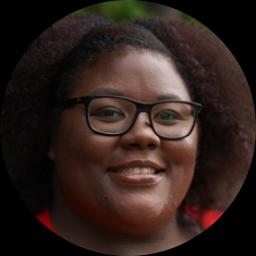
About Elena
Elena Wash is a California licensed clinical social worker with ten years of practice supporting people through stress, anxiety, mood changes, and life transitions. She focuses on practical ways to manage daily struggles and build on each person’s strengths. Elena believes starting therapy is a brave step and aims to make that first move feel worthwhile.
Her approach is straightforward and collaborative. She uses techniques from Cognitive Behavioral Therapy to identify unhelpful thinking and try new actions.
Background and approach
Dialectical Behavior Therapy skills are used when people need tools for emotional regulation and distress tolerance. Elena also draws on Solution-Focused Therapy to help people set clear, achievable goals and notice small changes that matter. Somatic Therapy offers ways to pay attention to body sensations when stress shows up physically.
Internal Family Systems helps uncover different internal parts and how they influence choices. In sessions she listens closely and offers concrete strategies you can practice between meetings. She supports people working through career shifts, compassion fatigue, addiction concerns, anger, and relationship communication problems.
Elena also helps with chronic pain, illness, and the emotional fallout of significant life changes. Her work is practical and down-to-earth. She emphasizes what people can do right now to feel steadier.
Conversations are paced to match the person’s needs and readiness to change.
Therapeutic tools for online care
Elena uses Cognitive Behavioral Therapy to help people spot unhelpful thoughts and test new behaviors that reduce stress and low mood. She also uses Dialectical Behavior Therapy skills for emotional regulation and coping during intense moments, offering practical techniques to steady reactions.Finding the right approach is part of the work. She will discuss goals and preferences and try methods that fit each person’s needs. That collaborative process helps shape whether more skills work, body-focused practices, or inner-part exploration is most useful.
Online sessions are offered by video call, phone, live chat, or text-based messaging to increase flexibility. Video calls let visual cues guide the work while phone sessions require less bandwidth and can be easier to fit into a busy day. Live chat or messaging can be used for shorter check-ins, skill practice, or when written reflection feels most helpful. These options make it easier to keep continuity and practice skills between meetings.
Frequently asked questions
What kinds of concerns does she help with?
How would you describe her therapy style?
What is her professional background?
What are her credentials and location?
Which languages are sessions offered in?
What session formats are available?
How does payment work and what does it cost?
How do I start a first session?
Specialties and expertise
Top specialties
- Self esteem
- Career difficulties
- Depression
Also works with
- Addictions
- Anger management
- Chronic pain, illness, and disability
- Communication problems
- Compassion fatigue
- Control issues
- Coping with life changes
- Emptiness
- Forgiveness
- Guilt and shame
- Isolation / loneliness
- Life purpose
- Midlife crisis
- Mood disorders
- Multicultural concerns
- Self-love
- Stress, Anxiety
- Women's issues
- Young adult issues
Therapeutic approaches
- Experience
- 10 years
- Licensed
- California
- Languages
- English