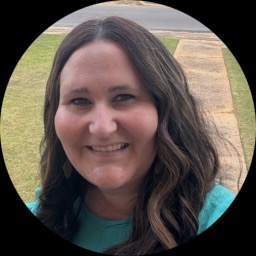
About Drew
Drew Bost welcomes people dealing with stress, anxiety, trauma and abuse, grief, low self-esteem, and depression. She also focuses on struggles like abandonment, panic attacks, social anxiety, and young adult issues. She aims to make the first step feel manageable and supportive.
Drew is a licensed clinical social worker in Alabama and Louisiana. Her credentials include LICSW and LCSW and she brings six years of professional practice to sessions. She describes her work as respectful, sensitive, and compassionate.
Background and approach
In sessions she talks things through with each person and builds a plan that fits their life. She uses practical tools from cognitive behavioral therapy to help change unhelpful thinking and behavior. She also uses eye movement desensitization and reprocessing for people processing traumatic memories.
Drew draws on client-centered ways of working to keep the focus on each person’s goals. Motivational interviewing helps when someone struggles with motivation or making changes. The Gottman Method informs her approach to communication issues and problem-solving skills.
Her style is collaborative and down-to-earth. She adjusts pacing and techniques to what the person needs in the moment. People can expect clear explanations, gentle challenge, and steady support while they work toward calmer days and clearer decisions.
Therapeutic approaches and online options
Client-centered therapy focuses on understanding each person's experience and goals. The therapist listens closely and adapts conversations to what matters most, which helps people feel heard and make their own choices.Cognitive Behavioral Therapy, or CBT, uses practical exercises to identify unhelpful thoughts and try different behaviors. It is often used for anxiety, panic, and low mood because it gives concrete skills to practice between sessions.
Eye Movement Desensitization and Reprocessing, EMDR, is a therapy used when people need help processing traumatic memories. It combines guided attention with talk work to reduce the emotional intensity of past events.
Finding the right approach is part of the work and happens together. The therapist will talk about options, try techniques, and check in about what helps. Clients steer the goals and the pace while the therapist suggests methods aligned with those goals.
Online therapy offers flexible ways to meet - video calls, phone sessions, live chat, or text-based messaging. Video is useful for deeper conversation and visual cues. Phone sessions suit those who prefer not to be on camera or have lower bandwidth. Live chat and text messaging work well for quick check-ins, brief coaching, or when scheduling is tight. These formats make it easier to fit therapy into a busy life while keeping the focus on progress and usable tools.
Frequently asked questions
What concerns does this therapist address?
What is the therapist's general approach in sessions?
How much experience does the therapist have?
Where is the therapist licensed and based?
Which languages are available for sessions and are international clients supported?
What formats are available for online sessions?
How are fees and payment handled?
How do I begin working with this therapist?
Specialties and expertise
Top specialties
Also works with
Therapeutic approaches
- Experience
- 6 years
- Licensed
- Alabama, Louisiana
- Languages
- English