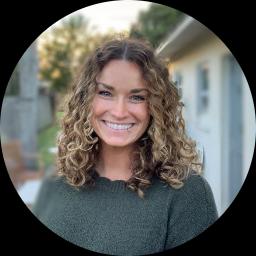
About Dominique
Dominique DeMent is a Florida-based licensed clinical social worker who helps people manage stress, anxiety, grief, depression, and trauma. She offers a calm, respectful approach that aims to make difficult conversations feel more manageable. Dominique speaks English and brings eight years of professional experience to sessions.
She focuses on practical, person-centered support. Dominique adapts conversations and plans to fit each person’s needs. That can mean learning ways to cope after loss, processing past abuse, or finding steadier routines when anxiety feels overwhelming.
Background and approach
Her work includes support around LGBT matters, post-traumatic stress, and sexual assault and abuse. She also helps with adoption and foster care issues, attachment concerns, and challenges related to autism and intellectual disability. Dominique attends to how life events affect feelings and daily functioning.
Sessions emphasize clear goals and doable steps. Conversations may include learning new coping skills, building self-compassion, and improving communication. Dominique partners with people to set the short-term and long-term aims that matter most to them.
She uses plain language during sessions and aims to create a respectful environment. Dominique recognizes how hard the first step can be and encourages people who are ready to reach out. Her Florida license is LCSW, and she draws on eight years of clinical practice to guide her work.
Therapeutic Approaches and Online Care
Dominique uses evidence-based therapeutic techniques that focus on clear, practical steps. One common approach is trauma-informed care, which helps people process past traumatic events at a pace that feels manageable and reduces overwhelming reactions. Another frequent focus is skill-based coping work, which teaches concrete strategies for managing anxiety, regulating mood, and responding to stress in daily life.Finding the right approach is a collaborative process. Dominique will talk with each person about their needs, goals, and preferences, and together they decide which methods to try first. Plans can change over time as progress and priorities shift.
Online therapy offers flexibility that many people find helpful. Video calls let the therapist and client work face-to-face when a longer session or visual connection is useful. Phone sessions can be simpler when bandwidth is limited or when someone prefers not to be on camera. Live chat and text-based messaging are available for shorter check-ins, quick skill practice, or when written communication feels easier. These formats make it easier to fit therapy into a busy life and maintain regular contact with a licensed professional.
Frequently asked questions
What concerns does she help with?
How would you describe her approach in sessions?
What is her professional background?
What credentials and location are listed?
In which languages are sessions offered?
What session formats are available?
How are fees and payment handled?
What steps are needed to begin therapy?
Specialties and expertise
Top specialties
Also works with
- Adoption and foster care
- Attachment issues
- Autism and Asperger Syndrome
- Communication problems
- Depression
- Disruptive Mood Dysregulation Disorder (DMDD)
- Emptiness
- Family problems
- First responder issues
- Grief
- Impulsivity
- Intellectual disability
- Post-traumatic stress
- Self-love
- Sexual assault and abuse
- Sexuality
- Experience
- 8 years
- Licensed
- Florida
- Languages
- English