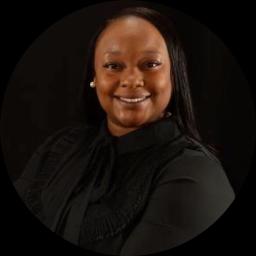
About Dishema
Dishema Shuler is a licensed clinical social worker with 15 years of experience helping people manage stress, anxiety, depression, and the fallout from trauma. She speaks plainly and aims to make therapy feel manageable for someone juggling busy days or worrying late at night. Her approach focuses on practical steps people can use between sessions to feel steadier and more capable.
She draws on trauma-focused Cognitive Behavioral Therapy and other evidence-based methods to reduce symptoms and build coping skills.
Background and approach
Sessions often include straightforward tools for panic, low mood, and self-esteem challenges. She also addresses caregiver stress and the isolation that can come from heavy responsibilities. Sessions are collaborative.
The therapist helps people spot unhelpful patterns, try new reactions, and set small achievable goals. Conversations may cover communication skills, decisions about life purpose, and ways to increase self-love and resilience. Her background includes clinical work across settings that shaped how she advocates for clients.
That experience informs practical advice on navigating systems, parenting concerns, and getting needed supports when life feels overwhelming. The work is steady and down-to-earth. Dishema uses clear exercises and short-term strategies alongside longer-term skill building.
People who want concrete tools and calm guidance when stress, trauma, or mood problems interfere with daily life may find this approach helpful.
How evidence-based techniques translate to online care
Trauma-focused Cognitive Behavioral Therapy helps people understand how past events affect current thoughts and reactions. Online sessions use structured conversations and practical exercises to reduce reactivity and build safer responses to triggers.Cognitive Behavioral Therapy focuses on identifying unhelpful thoughts and testing new actions. In remote sessions clients learn short exercises, breathing or grounding techniques, and simple behavior plans to try between meetings for anxiety, panic, and low mood.
Finding the right approach is part of the work. The therapist will collaborate with each person to choose methods that match their needs and goals. That decision is revisited as progress is made so techniques can be adjusted together.
Online formats offer flexible ways to engage. Video calls are useful for full sessions and visual cues. Phone sessions work well when bandwidth or a quieter setup is needed. Live chat or text-based messaging can serve as shorter check-ins, allow written reflection, and fit into a busy day. These options make it easier to keep therapy consistent when schedules are tight or travel is required.
Frequently asked questions
What concerns does this therapist address?
How would you describe the therapy style?
What is the therapist's background?
What credentials and location are listed?
Which languages are supported and can international clients work together?
What session formats are available?
How are sessions paid for?
How do I begin therapy with this clinician?
Specialties and expertise
Top specialties
Also works with
- Experience
- 15 years
- Licensed
- North Carolina
- Languages
- English