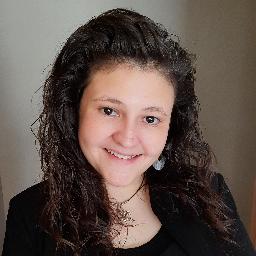
About Diana
Diana Barfoot is a licensed clinical social worker practicing in Colorado. She holds LCSW and CSW credentials and brings six years of experience helping people manage stress, anxiety, depression, and addictions. Diana aims to make beginning therapy feel simple and clear for someone who is overwhelmed.
She creates a calm, welcoming space where people can talk through hard things. Sessions focus on practical steps and tools that can be used between meetings.
Background and approach
Diana combines straightforward conversation with techniques meant to reduce symptoms and build daily coping skills. Her work includes support for relationship strain, grief, anger, and questions about identity and self-worth. She also addresses process addictions such as gambling, exercise, and pornography, and helps with codependency, shame, isolation, and finding life purpose.
The goal is gradual change that fits each person’s situation. In sessions Diana uses Client-Centered methods alongside Cognitive Behavioral Therapy and Solution-Focused techniques. She also draws on mindfulness and motivational strategies when helpful.
Together with each person she shapes a practical, individual plan that aims for real progress. Starting therapy is acknowledged as hard, and Diana keeps the pace user-driven. She helps people identify small, reachable goals and builds on what is already working.
The emphasis is on clear communication, steady skill-building, and growing self-compassion over time.
Therapeutic approaches and online care
Client-Centered Therapy focuses on understanding each person’s perspective and offering a supportive, non-judgmental space. It helps when someone needs to feel heard and to build self-trust. Cognitive Behavioral Therapy (CBT) looks at how thoughts, feelings, and actions interact and teaches concrete skills to change unhelpful patterns; it is often useful for anxiety, depression, and stress management.Finding the right approach is a collaborative process. The therapist will talk with the person about their goals, preferences, and what has or hasn’t worked before. Together they choose methods and adjust them over time to match progress and changing needs.
Online sessions are offered by video calls, phone sessions, live chat, or text-based messaging to give practical flexibility. Video is useful for deeper conversations and visual cues. Phone sessions can be a good option when bandwidth is limited or for shorter check-ins. Live chat and text-based messaging let someone send updates, ask quick questions, or manage check-ins between longer sessions. These options help people fit therapy into work, family, or busy schedules while keeping a steady course of care.
Frequently asked questions
What concerns does Diana address?
What is her general therapy style?
What experience does she have?
What are her credentials and where is she based?
Which languages are supported for sessions?
What session formats are available?
How are sessions paid for and what does it cost?
How do I begin working with her?
Specialties and expertise
Top specialties
Also works with
- Anger management
- Career difficulties
- Codependency
- Coping with life changes
- Depression
- Family conflicts
- Grief
- Guilt and shame
- Isolation / loneliness
- LGBT
- Life purpose
- Process addiction (porn, exercise, gambling)
- Relationship issues
- Self-love
- Trauma and abuse
Therapeutic approaches
- Experience
- 6 years
- Licensed
- Colorado
- Languages
- English