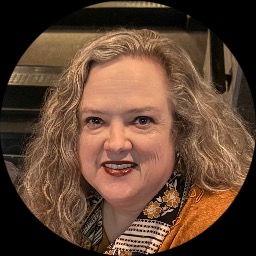
About Deanna
Deanna Williams is a licensed social worker who offers calm, practical support for people facing stress, anxiety, grief, depression, and addiction. She is a Licensed Clinical Social Worker (LCSW) and also holds an LICSW credential. Deanna brings eight years of experience to sessions and focuses on clear tools that people can use between meetings.
She uses straightforward, conversational therapy to help people talk through hard moments. Sessions focus on coping skills, improving communication, and building emotional resilience.
Background and approach
Deanna pays attention to how life changes, illness, and caregiving strain day-to-day functioning. Her background includes work with postpartum challenges, caregiver stress, and concerns that arise with aging and chronic illness such as cancer. She also supports people facing isolation, compassion fatigue, and co-occurring substance use and mental health concerns.
Deanna draws on client-centered methods alongside cognitive behavioral and dialectical approaches. Those tools help identify patterns, test small changes, and develop practical strategies for mood and behavior. Motivational interviewing is used when people want help clarifying goals and finding internal motivation.
People meet with Deanna to sort immediate problems and build longer-term plans. Her style is direct but warm, aiming for clear steps and realistic practice between sessions. She practices from Alabama and conducts sessions in English.
Online approaches that meet you where you are
Client-centered therapy focuses on listening and understanding each person's experience. The therapist follows the person's lead, reflects feelings, and helps clarify what matters most, which is useful for stress, grief, and life transitions.Cognitive Behavioral Therapy, or CBT, looks at how thoughts, feelings, and actions connect. It uses simple experiments and practical homework to shift unhelpful patterns, often helping with anxiety, depression, and mood swings.
Dialectical Behavior Therapy, DBT, teaches concrete skills for managing intense emotions and improving interpersonal effectiveness. It can be helpful when strong mood swings, anger, or relationship conflicts create repeated problems.
Finding the right approach is a shared process. The therapist will discuss options and try methods that fit the person's goals and preferences. Sessions are collaborative, with regular check-ins about what is or is not working and adjustments made together.
Online sessions are offered via video calls, phone sessions, live chat, or text-based messaging to fit different schedules and needs. Video calls allow face-to-face conversation and visual cues. Phone sessions work well when video is not possible or when lower bandwidth is needed. Live chat and text messaging are useful for brief check-ins, tracking progress, or getting support between longer sessions. These formats make it easier to fit therapy into busy lives and to try different ways of connecting until the right match is found.
Frequently asked questions
What concerns does she address?
How would you describe her therapy style?
What kind of experience does she have?
Where is she licensed and located?
Which languages are supported for sessions?
Can international clients work with her?
What session formats are available?
How does cost and scheduling work?
Specialties and expertise
Top specialties
Also works with
- Aging and geriatric issues
- Anger management
- Bipolar disorder
- Cancer
- Caregiver issues and stress
- Co-morbidity
- Communication problems
- Compassion fatigue
- Coping with life changes
- Depression
- Drug and alcohol addiction
- Hospice and end-of-life counseling
- Isolation / loneliness
- LGBT
- Postpartum depression
- Self esteem
- Trauma and abuse
- Young adult issues
Therapeutic approaches
- Experience
- 8 years
- Licensed
- Alabama, Tennessee, South Carolina, Florida, Louisiana
- Languages
- English