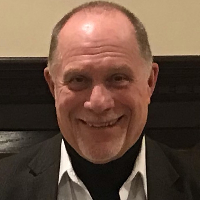
About David
David Spann is a licensed clinical social worker who focuses on helping people find steady ground after trauma, addiction, loss, or big life changes. He blends practical skills with reflective work so people can feel more in control and connected. With 29 years of practice, he draws on broad clinical experience and everyday problem solving to meet what comes up.
He earned an undergraduate degree in psychology from the University of Virginia and a master’s degree from Florida Gulf Coast University.
Background and approach
David has worked in outpatient clinics, residential programs, hospitals, and a Naval Hospital serving active duty Marines. That background helps him notice how stress, trauma, mental illness, and substance use ripple through relationships and daily life. In sessions he uses straightforward methods such as cognitive-behavioral techniques, mindfulness, motivational interviewing, and attachment-informed work.
He also integrates ideas from dialectical behavior approaches and family-systems thinking when those fit. The goal is practical change - clearer thinking, calmer reactions, and better connection with important people. He brings additional experience from leadership, program development, and training roles.
For many years he has taught crisis intervention for law enforcement and led workshops on grief, communication, boundaries, and anger management. Those skills shape how he helps people translate insight into real changes. Sessions are offered in English and conducted from North Carolina.
David holds an LCSW in North Carolina and an LISW in Ohio, and he combines clinical work with coaching to support life purpose, career direction, and relational growth.
Therapeutic approaches adapted for online care
Attachment-Based Therapy looks at patterns in close relationships and how early bonds affect current connections. Online sessions can help people understand and shift those patterns so relationships feel more supported and responsive.Client-Centered Therapy focuses on the person’s experience and priorities. In this approach the therapist listens deeply, reflects what matters, and helps people decide their next steps. It is useful when someone needs a supportive space to sort values, decisions, and feelings.
Finding the right approach is part of the work. The therapist will collaborate with each person to choose methods that fit their goals, needs, and comfort with online formats. That decision can shift as progress unfolds, and adjustments are made together.
Online therapy offers practical benefits for many people. Video calls allow face-to-face conversation and visual cues. Phone sessions work when bandwidth or camera time is limited. Live chat and text-based messaging make it possible to check in between sessions or fit brief coaching into a busy day. These options increase flexibility and make it easier to keep therapy consistent with a hectic schedule.
Frequently asked questions
What concerns does David commonly address?
What is his general therapy style?
How much clinical experience does he have?
Which credentials and location are on record?
Which languages are sessions offered in?
What session formats are available?
How does cost and billing work?
How do I begin working with him?
Specialties and expertise
Top specialties
- Addictions
- Family conflicts
- Trauma and abuse
Also works with
- Anger management
- Attachment issues
- Bipolar disorder
- Blended family issues
- Career difficulties
- Coaching
- Codependency
- Communication problems
- Compassion fatigue
- Control issues
- Coping with life changes
- Coping with natural or human-caused disaster
- Depression
- Divorce and separation
- Domestic violence
- Drug and alcohol addiction
- Grief
- Intimacy-related issues
- Life purpose
- Money and financial issues
- Mood disorders
- Multicultural concerns
- Parenting issues
- Post-traumatic stress
- Relationship issues
- Self esteem
- Self-love
- Sex addiction
- Sexual assault and abuse
- Stress, Anxiety
- Veteran and Armed Forces Issues
- Workplace issues
Therapeutic approaches
- Experience
- 29 years
- Licensed
- North Carolina, Ohio
- Languages
- English