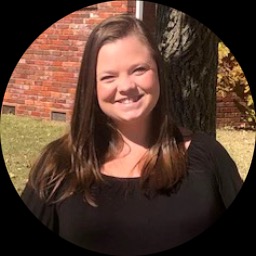
About Darlyn
Darlyn Brown is a licensed clinical social worker practicing in Oklahoma. She has six years of experience helping people facing stress, anxiety, trauma and abuse, and depression. Darlyn focuses on building a practical path forward with each person she meets.
Darlyn listens for each person's strengths and life story. She treats the person, not just the problem, and helps them use what already works in their life. Her approach is collaborative and down-to-earth.
Background and approach
Sessions often focus on concrete steps for coping with life changes. She helps people who struggle with low self-esteem, motivation, or confidence find small, manageable ways to move forward. Communication problems and feelings of isolation are explored with attention to realistic solutions.
She also supports those dealing with postpartum depression and people who want to build greater self-love. Darlyn frames challenges as things that can be worked on, not fixed overnight. She aims to make each session practical and relatable.
Taking the first step can feel hard, and she acknowledges that courage. Darlyn offers steady support while encouraging clients to try new strategies between sessions. The focus is on useful change that fits each person's life.
Evidence-based approaches and online care
Two common evidence-based techniques she uses are problem-focused coping and trauma-informed support. Problem-focused coping looks at everyday habits and routines and finds small changes that reduce stress and improve mood. Trauma-informed support means paying attention to how past harms affect current feelings and reactions, and working at a pace that feels manageable for the person.Another practical approach is skills-building for self-esteem and communication. This involves trying short exercises during and between sessions to build confidence and improve interactions with others. These techniques suit people who want hands-on tools and steady progress rather than abstract discussion.
Finding the right approach is part of the work. The therapist will collaborate with each person to choose techniques that match their needs, goals, and preferences. That decision is revisited as progress is made so the plan stays useful.
Online sessions are offered by video call, phone, live chat, or text-based messaging. Video calls let people work face to face from different places. Phone sessions can be easier when bandwidth is limited or a quieter setup is needed. Live chat and messaging are useful for shorter check-ins, quick coping tools, or ongoing support between sessions. These options add flexibility for fitting therapy into a busy life.
Frequently asked questions
What concerns does this therapist often help with?
How would you describe her therapeutic style?
What is her professional background?
What are her credentials and location?
Which languages are supported for sessions?
What session formats are available?
How are fees and payment handled?
What do I do to get started?
Specialties and expertise
Top specialties
Also works with
- Experience
- 6 years
- Licensed
- Oklahoma
- Languages
- English