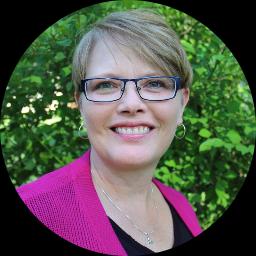
About Darla
Darla Belflower is a therapist who uses client-centered care to help people manage stress, addiction, and major life changes. She is a licensed social worker in Kansas and Missouri and brings many years of practice to each session. Her style is straightforward and supportive, with an emphasis on practical steps people can use at home.
She focuses on addiction and recovery, women’s mental health, and LGBTQ concerns. Darla also helps with anxiety, depression, grief, caregiver strain, and relationship and communication problems.
Background and approach
She talks through coping tools and plans that fit each person’s daily life. Darla draws on cognitive behavioral techniques to identify unhelpful thinking and build healthier habits. She uses mindfulness exercises to calm strong feelings and motivate steady progress through small, achievable goals.
Motivational interviewing helps when someone feels stuck and wants to find internal reasons to change. Clients can expect a respectful, non-judgmental space where goals are set together. Darla combines listening with clear options for action, such as relapse prevention planning or stress-management routines.
She also helps people work through guilt, shame, and forgiveness in ways that lead to forward movement. With 22 years of experience, Darla offers steady guidance for complex problems like bipolar mood shifts, career stress, and end-of-life decisions. She supports people exploring sexuality, gender dysphoria, polyamory, or living with HIV/AIDS.
Practical coaching and compassionate support are key parts of her approach.
Therapeutic approaches and online care
Client-Centered Therapy focuses on listening and responding to what matters most to the person. The therapist follows the client's lead, reflects feelings, and helps set goals that feel meaningful. This approach is useful for people who need a non-judgmental space to sort through difficult emotions.Cognitive Behavioral Therapy (CBT) looks at how thoughts and behaviors interact. It breaks problems into manageable steps and teaches practical skills to reduce anxiety and manage mood. Mindfulness Therapy adds simple attention and breathing practices to help calm the body and notice thoughts without getting swept up by them.
Finding the right approach is a collaborative process. The therapist will talk with each person about needs, goals, and preferences and then try methods that fit those priorities. Adjustments are made over time so sessions stay focused on results that matter to the client.
Online therapy offers flexible ways to work, from video calls that mimic in-person sessions to phone check-ins that fit a short break. Live chat or text-based messaging can be useful for quick check-ins, homework support, or when typing feels easier than talking. These options help people maintain continuity of care, manage time, and choose formats that fit their daily routines.
Frequently asked questions
What concerns does this therapist commonly help with?
How would you describe the therapeutic style used?
What background and experience does she bring?
Where is the therapist licensed and located?
Which languages are supported for sessions?
What session formats are available?
How are fees and payment handled?
What are the steps to begin working together?
Specialties and expertise
Top specialties
Also works with
- Bipolar disorder
- Career difficulties
- Caregiver issues and stress
- Coaching
- Communication problems
- Compassion fatigue
- Coping with life changes
- Depression
- Drug and alcohol addiction
- Family conflicts
- Family problems
- Forgiveness
- Gender dysphoria
- Grief
- Guilt and shame
- HIV / AIDS
- Hospice and end-of-life counseling
- Life purpose
- Polyamory / non-monogamous relationships
- Relationship issues
- Seasonal Affective Disorder (SAD)
- Self esteem
- Sexuality
- Women's issues
Therapeutic approaches
- Experience
- 22 years
- Licensed
- Missouri, Kansas
- Languages
- English