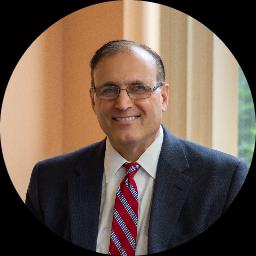
About Daniel
Daniel Quinn is a licensed clinical social worker with 34 years of practice. He offers calm, practical support for people dealing with stress, anxiety, depression, grief, and relationship struggles. Daniel focuses on helping clients make clear, manageable changes rather than piling on complicated steps.
He talks plainly and listens closely so people feel heard and understood. He builds sessions around each person’s goals. That might mean short-term problem solving one week and deeper work on past hurts the next.
Background and approach
He uses client-centered listening, cognitive behavioral tools, and solution-focused strategies to help people notice patterns and try new ways of coping. When relationships are a concern, he draws on the Gottman Method to address communication and connection. Daniel also works with people affected by trauma and abuse.
He pays attention to how trauma shows up in daily life and helps people find steady steps forward. Mindfulness exercises and grounding techniques are used to reduce overwhelm and increase present-moment control. He supports those facing major life changes, caregiver stress, cancer-related concerns, and issues tied to guilt, shame, or isolation.
Sessions aim to be practical and relevant to everyday routines. Daniel helps people test new habits between meetings and adjust plans as needed. Sessions are offered in English from Connecticut.
Daniel describes himself as straightforward and compassionate, focused on creating a working plan that fits each person’s life and pace.
Practical approaches and online therapy options
Daniel uses client-centered therapy to keep sessions focused on each person’s needs, offering a listening, nonjudgmental space where clients set the agenda. He also applies Cognitive Behavioral Therapy to help people identify thought patterns that feed anxiety or depression and practice new ways of thinking and acting. When relationship communication is a focus, elements of the Gottman Method are used to address interaction patterns and improve conversation skills.Finding the right approach is a collaborative process. Daniel will work with the client to choose methods that match their goals, preferences, and everyday life. He checks in on what is working and adapts the plan over time so the work stays relevant and manageable.
Online therapy offers flexibility for ongoing care. Video calls let people read facial expression and connect more fully, while phone sessions can be a lower-bandwidth option or fit a break at work. Live chat and text-based messaging are useful for quick check-ins, shorter reflections, or when writing feels easier than speaking. These formats help people fit therapy into busy schedules and try different ways of staying engaged between sessions.
Frequently asked questions
What concerns does Daniel help with?
What is his therapeutic style?
How long has he worked in this field?
What are his credentials and where is he located?
Can sessions be conducted in other languages or internationally?
Which session formats are available?
How does billing and cost work?
What should I do to begin therapy?
Specialties and expertise
Top specialties
- Stress, Anxiety
- Relationship issues
- Trauma and abuse
Also works with
- Attachment issues
- Cancer
- Caregiver issues and stress
- Communication problems
- Control issues
- Coping with life changes
- Depression
- Divorce and separation
- Forgiveness
- Grief
- Guilt and shame
- Isolation / loneliness
- Mood disorders
- Panic disorder and panic attacks
- Post-traumatic stress
- Self esteem
- Self-love
- Veteran and Armed Forces Issues
Therapeutic approaches
- Experience
- 34 years
- Licensed
- Massachusetts, New Hampshire, Connecticut, Pennsylvania
- Languages
- English