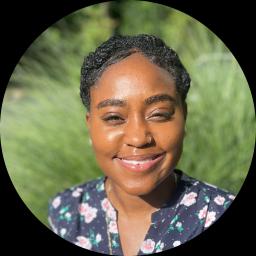
About Courtney
Courtney Muzac is a licensed clinical social worker who focuses on helping people unmask the habits that keep them stuck. She invites clients to notice the protective roles they play and to slowly make room for the real feelings beneath. Sessions are practical, paced to the person, and grounded in everyday skills you can use between meetings.
Courtney draws on seven years of experience to help people set boundaries without shame or guilt.
Background and approach
She supports those carrying heavy responsibilities for others, and people who feel unseen or unheard. Work often focuses on stress, anxiety, depression, self-esteem, relationship concerns, and coping with life changes. Her approach mixes work with the mind and work with the body.
Breath and movement are part of sessions to reconnect thoughts and physical sensation. She also uses strategies from cognitive behavioral methods and motivational questioning to clarify goals and shift unhelpful patterns. Courtney pays attention to family dynamics and the ways abandonment, communication struggles, and separation shape current life.
She also helps people address isolation, guilt, and questions about life purpose and self-love. Attention to attention-related concerns such as ADHD is part of her practice. Sessions are intended as a steady process.
Early work often soothes inner wounds and builds safety with small, doable steps. Over time the focus moves toward lasting changes such as clearer boundaries, stronger self-trust, and more honest ways of showing up.
Approaches that connect thoughts, breath, and action
Cognitive Behavioral Therapy, or CBT, focuses on identifying unhelpful thinking patterns and testing small behavior changes. It is useful for anxiety, low mood, and stress when you want clear steps to try between sessions.Mindfulness Therapy brings attention to the present moment through breath and gentle awareness. It helps reduce reactivity, calm racing thoughts, and strengthen the ability to notice emotions without getting overwhelmed.
Finding the right mix of approaches is part of the work. The therapist will collaborate with each person to decide which methods fit their goals and preferences. That choice can shift over time as needs change and progress is made.
Online sessions are offered by video calls, phone sessions, live chat, or text-based messaging to make care more flexible. Video calls allow face-to-face conversation and visual cues. Phone sessions can be easier when bandwidth is limited or a shorter check-in is needed. Live chat and text messaging support steady contact, brief check-ins, or homework prompts between longer meetings.
These options make it simpler to schedule sessions around work, family tasks, or other commitments. The various formats let people try different ways of connecting and find what helps them move forward.
Frequently asked questions
What issues does this therapist address?
What is her therapeutic style like?
How much experience does she have?
What credentials and location are listed?
Which languages and international arrangements are supported?
What session formats are available?
How is cost handled?
How do I get started with this therapist?
Specialties and expertise
Top specialties
- Stress, Anxiety
- Relationship issues
- Self esteem
Also works with
Therapeutic approaches
- Experience
- 7 years
- Licensed
- Georgia
- Languages
- English