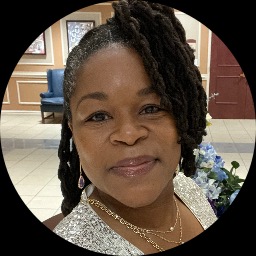
About Corrie
Corrie Williams is a licensed clinical social worker who focuses on helping people manage stress, anxiety, and relationship concerns. She helps clients build self-esteem, find motivation, and cope with life changes in practical ways. With five years as a practicing clinician, Corrie uses straightforward, conversational care.
She aims to create an open atmosphere where clients can say what’s on their mind without feeling judged. Sessions are meant to feel like a partnership rather than a lecture.
Background and approach
Corrie draws on several approaches to shape therapy. She listens first, then helps clients set small, achievable goals. She uses strategies to change unhelpful thoughts and to practice new ways of communicating in relationships.
People who reach out for caregiver stress, mood challenges, social anxiety, or post-traumatic stress can expect focused work on the issues that matter most to them. Corrie also supports those wanting to strengthen self-love and tackle communication problems in everyday life. Her style is practical and empathetic.
Corrie will work with each person to find steps that fit their life and schedule. She guides people toward clearer choices, healthier patterns, and more confidence over time.
Accessible approaches for online support
Client-Centered Therapy puts the person’s own goals and experiences at the center of sessions. The therapist listens closely, reflects what she hears, and helps people decide what matters most to change. Cognitive Behavioral Therapy, or CBT, focuses on identifying unhelpful thoughts and testing them with practical exercises. It is often used for anxiety, mood challenges, and building clearer thinking patterns.Finding the right approach is part of the work. Corrie will talk with each person about their concerns, goals, and preferences and will adapt methods as needed. This collaborative process helps shape a plan that fits the client’s life and pace.
Online therapy offers several ways to connect, including video calls, phone sessions, live chat, and text-based messaging. Video calls allow face-to-face conversation when visual cues are helpful. Phone sessions can be useful when bandwidth is limited or when a client prefers not to be on camera. Live chat and text messaging are convenient for shorter check-ins, quick skill practice, or fitting therapy into a busy day. These options make it easier to keep regular contact and continue progress without long travel times.
Frequently asked questions
What concerns does this therapist address?
What is the therapy style like?
How much clinical experience does she have?
Where is she licensed and how is that listed?
Which languages are sessions offered in?
What session formats are available?
How is cost handled for sessions?
How do I begin working with this therapist?
Specialties and expertise
Top specialties
- Stress, Anxiety
- Relationship issues
- Self esteem
Also works with
Therapeutic approaches
- Experience
- 5 years
- Licensed
- Virginia
- Languages
- English