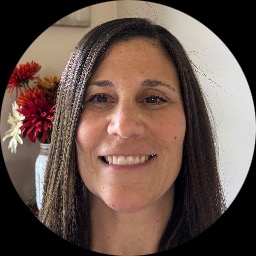
About Collette
Collette Dignam is a licensed clinical social worker who uses practical, evidence-based techniques to help people manage anxiety, depression, and mood challenges. She focuses on clear tools and steady support rather than jargon. Her style is straightforward and goal-oriented, aimed at small changes that add up over time.
She has six years of experience working in New York and has supported people across the lifespan, most often adolescents and middle-aged adults.
Background and approach
Much of her work centers on anxiety, panic, stress, low self-esteem, grief, bipolar mood patterns, and depression. She also addresses related concerns like social anxiety, obsessions and compulsions, personality issues, communication problems, and women’s life concerns. In sessions she uses cognitive behavioral techniques paired with relaxation exercises, writing, and journaling.
These tools help clients notice unhelpful thoughts, try different behaviors, and calm their nervous system. Collette adapts what she uses to each person’s needs and comfort level. She values a positive, supportive working relationship and looks for clients who want to try new methods and practice between sessions.
Therapy is a collaborative process, with specific goals and practical steps to track progress. Collette works with clients through video calls, phone sessions, live chat, and text-based messaging. Sessions follow a subscription model that can be canceled at any time, and she conducts work from New York as an LCSW (Licensed Clinical Social Worker).
Practical online approaches for mood and anxiety
Collette often uses cognitive behavioral techniques that help people identify unhelpful thoughts and try different, more helpful behaviors. This approach is useful for anxiety, depression, panic, and stress-related problems.She also includes relaxation practices such as breathing and grounding exercises to lower immediate physical tension. These techniques are helpful for panic attacks, ongoing stress, and calming before trying new behaviors.
Journaling and writing are used as concrete tools to track moods and spot patterns. These exercises give material to work on in sessions and help clients notice small changes over time.
Finding the right mix of approaches happens together. The therapist will work with the client to choose methods that match goals, comfort, and daily life. Changes are introduced gradually and tested between sessions so the plan fits real routines.
Online therapy offers flexibility with video calls, phone sessions, live chat, and text-based messaging. Video is good for face-to-face conversation and visual cues, phone calls can fit into a short break or when bandwidth is limited, and messaging or live chat work well for brief check-ins or written reflections. These options make it easier to keep therapy consistent around work, school, and family commitments.
Frequently asked questions
What concerns does Collette help address?
What is her general therapy style?
How much experience does she have?
What credential does she hold and where is she based?
Which languages are offered for sessions?
Can people from other countries work with her?
What session formats are used?
How do fees and billing work?
Specialties and expertise
Top specialties
Also works with
- Bipolar disorder
- Communication problems
- Depression
- Family problems
- Mood disorders
- Obsessions, compulsions, and OCD
- Panic disorder and panic attacks
- Personality disorders
- Social anxiety and phobia
- Women's issues
- Experience
- 6 years
- Licensed
- New York
- Languages
- English