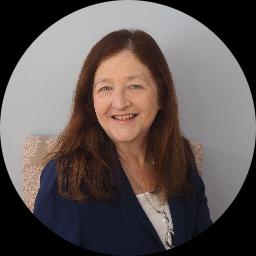
About Chrystine
Chrystine Longley is a licensed clinical social worker who helps people handle stress, anxiety, grief, anger, and depression. She presents a calm, direct approach that aims to make difficult conversations easier. Her tone is practical and supportive for people taking a first step toward change.
She has six years of clinical experience and holds MA LICSW LICSW1121089 and CT LCSW 14200. Chrystine emphasizes a straightforward working relationship where clients can talk about painful events and everyday problems without judgment.
Background and approach
Sessions focus on concrete next steps as well as emotional recovery. Her background includes work with people affected by trauma, abuse, and post-traumatic stress. She also has experience helping those facing chronic illness, cancer, caregiver stress, and end-of-life concerns.
That mix of clinical and medical-context experience helps when issues cross mental and physical health boundaries. Chrystine uses a blend of client-centered, trauma-focused, and cognitive approaches to meet needs in the moment. She helps people identify patterns, test small changes, and manage symptoms like panic attacks and intense anxiety.
Practical coping tools and emotion-focused work are combined depending on what a person needs. People who choose her often want clear guidance alongside empathic listening. She supports work on communication problems, life purpose, guilt and shame, and rebuilding self-regard.
The goal is steady progress through manageable steps.
Approach and options for online therapy
Chrystine often combines client-centered work and trauma-focused methods to help people process difficult experiences and rebuild day-to-day functioning. Client-centered work focuses on listening and understanding each person's priorities, helping people name what matters and set goals at their own pace. Trauma-focused work directs attention to painful events and teaches ways to reduce their ongoing impact, which can help with PTSD, panic attacks, and intense anxiety.She also uses cognitive behavioral ideas to help identify unhelpful thoughts and test small behavior changes that reduce distress. Choosing the best approach is a shared process - she will work with each person to decide which methods suit their needs, goals, and comfort level. That collaboration allows the plan to shift as progress is made or needs change.
Online formats include video calls, phone sessions, live chat, and text-based messaging. Video sessions allow face-to-face conversation and visual cues, phone sessions are helpful when bandwidth is limited or a shorter check-in is needed, and live chat or text-based messaging can fit into busy days or provide quick emotional support between sessions. These options make therapy more flexible and easier to fit into work, medical appointments, or caregiving schedules.
Frequently asked questions
What issues does she commonly address?
How would you describe her therapeutic style?
What is her professional background?
Where is she licensed and based?
Which languages are supported for sessions?
What session formats are available?
How is cost handled for sessions?
How do I begin working with her?
Specialties and expertise
Top specialties
Also works with
- Aging and geriatric issues
- Anger management
- Cancer
- Caregiver issues and stress
- Chronic pain, illness, and disability
- Communication problems
- Depression
- Divorce and separation
- Forgiveness
- Guilt and shame
- Hospice and end-of-life counseling
- Impulsivity
- Life purpose
- Panic disorder and panic attacks
- Post-traumatic stress
- Self-love
- Social anxiety and phobia
- Veteran and Armed Forces Issues
- Workplace issues
Therapeutic approaches
- Experience
- 6 years
- Licensed
- Connecticut, Massachusetts
- Languages
- English