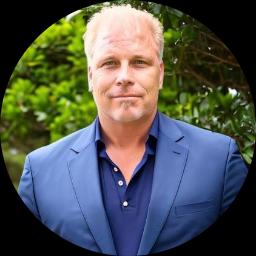
About Christopher
Christopher Korty is a licensed clinical social worker in North Carolina with 20 years of experience. He helps people who are dealing with stress, anxiety, depression, bipolar mood concerns, grief, and addictions. He also supports those facing relationship strain, parenting challenges, anger, low self-esteem, and struggles with intimacy or life purpose.
He works in a direct, respectful style that aims to make conversations useful and clear. Sessions focus on practical steps and self-awareness.
Background and approach
He adapts the pace and plan to match each person’s needs and circumstances. Christopher draws on methods such as Cognitive Behavioral Therapy, Dialectical Behavior Therapy, and Motivational Interviewing to guide treatment. That means he helps people identify unhelpful thoughts, build emotion regulation skills, and find internal motivation to change.
Interventions are explained plainly and linked to daily life tasks. Over two decades, he has helped adults with issues like ADHD symptoms, compassion fatigue, eating concerns, and career stress. He also addresses communication problems, impulsivity, forgiveness, and challenges common to young adults and men seeking purpose.
He frames therapy as a collaborative process. People who choose him can expect practical tools, straightforward conversation, and support while they try new ways of coping and relating to others.
How these approaches work online
CBT, or Cognitive Behavioral Therapy, focuses on spotting unhelpful thoughts and testing them with real-life actions. Online sessions use talked-through exercises and short between-session tasks to change thinking patterns and reduce anxiety or low mood.DBT, or Dialectical Behavior Therapy, teaches concrete skills for managing strong emotions and improving relationships. In virtual work, skill coaching and role-play help people practice calming strategies and better ways to communicate.
Motivational Interviewing helps people find their own reasons to change. Conversations are collaborative and aim to strengthen motivation for steps like reducing substance use or improving routines.
Finding the best approach is part of the work. The therapist will discuss goals, preferences, and daily life demands to choose methods together. Clients often try a mix of strategies and adjust the plan as progress is made.
Online formats offer flexibility. Video calls let people use visual cues and deeper conversation. Phone sessions can be easier if bandwidth is limited. Live chat and text-based messaging work well for quick check-ins, homework help, or shorter reflections between sessions. These options make it possible to fit therapy around work, family, and other commitments.
Frequently asked questions
What concerns does he commonly address?
How would you describe his therapy style?
What is his professional background?
What are his credentials and where is he located?
Can sessions be conducted in languages other than English?
Which session formats are available?
How is cost handled for sessions?
What are the first steps to begin therapy?
Specialties and expertise
Top specialties
- Stress, Anxiety
- Relationship issues
- Family conflicts
Also works with
- Addictions
- ADHD
- Anger management
- Bipolar disorder
- Career difficulties
- Communication problems
- Compassion fatigue
- Coping with life changes
- Depression
- Disruptive Mood Dysregulation Disorder (DMDD)
- Eating disorders
- Family problems
- Forgiveness
- Grief
- Impulsivity
- Intimacy-related issues
- Life purpose
- Men's issues
- Parenting issues
- Self esteem
- Trauma and abuse
- Young adult issues
Therapeutic approaches
- Experience
- 20 years
- Licensed
- North Carolina
- Languages
- English