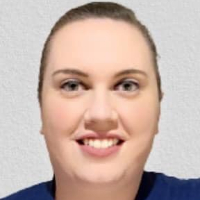
About Christina
Christina Pruden is a licensed clinical social worker who helps people manage stress, anxiety, grief, addictions, and life transitions. She speaks plainly and focuses on practical steps people can use right away. Christina aims to build a working relationship that fits the person's goals and preferences.
She uses a mix of methods to match what each person needs. That can mean practicing new ways to handle difficult thoughts, building skills to manage emotions, or talking through values and choices to guide action.
Background and approach
Sessions are collaborative and paced to what feels doable for the client. Christina trained at Rutgers University, where she earned a Master of Social Work and completed an addiction counselor training certificate. She has five years of experience across multiple levels of mental health care, which shaped how she helps people find resources and next steps.
Her background includes extra training in trauma work and cognitive behavioral approaches to sharpen practical tools. Christina pays attention to strengths and barriers, and she offers techniques to improve sleep, manage panic, address low self-esteem, and cope with chronic pain or illness. Clients who prefer clear, steady support will find a straightforward style.
Christina helps people set small, doable goals and practices skills between sessions. The aim is steady progress toward living a life that feels more manageable and meaningful.
Approaches that translate to online care
Acceptance and Commitment Therapy (ACT) helps people clarify what matters to them and take small actions toward those values. It focuses on noticing difficult thoughts and feelings without letting them run choices, which can help with anxiety, depression, and life changes.Cognitive Behavioral Therapy (CBT) breaks down unhelpful thoughts and behaviors into steps you can change. It offers practical exercises and homework to reduce panic, improve sleep, and shift patterns that feed low mood.
Dialectical Behavior Therapy (DBT) provides skills for managing strong emotions and improving communication. It can be useful for intense mood swings, panic, and relationship stress.
Choosing the right approach is a shared process. The therapist will talk with each person about goals, try methods that fit their needs, and adjust the plan as progress is observed. That collaborative process helps people find what feels most useful for them.
Online therapy offers flexibility through video calls, phone sessions, live chat, or text-based messaging. Video lets people work face to face from different locations. Phone sessions use less bandwidth and can fit into a quick break. Live chat or text messaging can support brief check-ins, skill practice, or ongoing encouragement between sessions. These options make it easier to fit therapy into a busy life while using the therapist's approaches in practical ways.
Frequently asked questions
What kinds of concerns can Christina help with?
What is her therapeutic style like?
What experience does she bring to therapy?
What credentials and location are listed?
Which languages are supported for sessions?
What session formats are available?
How are fees and payment organized?
How does someone get started?
Specialties and expertise
Top specialties
Also works with
Therapeutic approaches
- Experience
- 5 years
- Licensed
- New Jersey
- Languages
- English