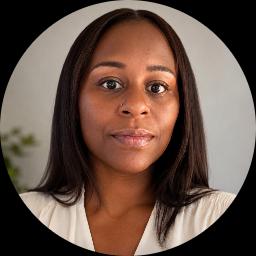
About Chrasanthum
Chrasanthum "Chrissy" Nieves is a Licensed Clinical Social Worker who offers straightforward support for people facing stress, anxiety, mood shifts, trauma, and life changes. She keeps conversation clear and practical so parents can quickly see how sessions might fit into a busy week. Chrissy focuses on helping people cope with depression, bipolar symptoms, and the aftermath of traumatic events.
She also helps with communication problems, impulsivity, control issues, feelings of isolation, and workplace stress.
Background and approach
Her approach aims to make daily life feel more manageable rather than promise quick fixes. She trained in social work and psychology and has three years of experience in mental health and addictions counseling. That background informs how she notices patterns and suggests small, usable changes.
Chrissy views healing as a process with ups and downs, and she adjusts pace based on what a person needs right now. Sessions with Chrissy tend to center on real-life problems like relationship strain, separation or divorce, coping with career pressure, and wrestling with life purpose.
She also supports women and people connected to the military community around mood and post-traumatic stress concerns. The work is practical and grounded in everyday steps. Chrissy practices in Virginia and holds the credential LCSW, which stands for Licensed Clinical Social Worker.
She offers several remote session options so that people with busy schedules can still get consistent help. Her style is direct and compassionate. She aims to help people build clearer routines, manage strong emotions, and make choices that fit their values over time.
How her approaches translate to online care
Chrissy uses evidence-based therapeutic techniques that translate well to remote work. One approach focuses on identifying unhelpful thought and behavior patterns and then trying small experiments to change them; this helps with anxiety, low mood, and impulsive actions. Another emphasis is on skills for managing strong emotions and building routines that reduce stress, which can support recovery from trauma and improve daily functioning.Choosing the right approach is a collaborative process. The therapist and client will talk about symptoms, priorities, and what feels doable, then try methods that fit those goals. Plans are adjusted as progress is made so the work keeps matching needs and preferences.
Online therapy offers flexible ways to connect. Video calls let people work face to face when they want direct interaction. Phone sessions are useful when a quieter space or lower bandwidth is needed. Live chat and text-based messaging allow brief check-ins and ongoing support between longer sessions. These options make it easier to fit therapy into busy routines while keeping momentum across weeks.
Frequently asked questions
What kinds of problems does she address?
What is her therapeutic style like?
What experience does she bring?
Where is she located and what credential does she hold?
Which languages are supported for sessions?
Can people outside the United States work with her?
What session formats are available?
How do I begin working with her and what does it cost?
Specialties and expertise
Top specialties
- Stress, Anxiety
- Trauma and abuse
- Bipolar disorder
Also works with
- Experience
- 3 years
- Licensed
- Virginia
- Languages
- English