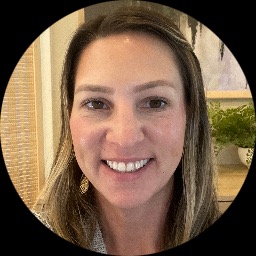
About Chelsey
Chelsey Fouts is a Licensed Clinical Social Worker who helps people manage stress, anxiety, depression, trauma and relationship struggles. She aims to create a space where clients feel heard and respected. Her approach is warm and strengths-focused, with practical guidance and structure to help people move forward.
Chelsey pays close attention to repeated negative thoughts and works with clients to challenge them. She teaches skills for coping with daily stress and for slowing panic when it surfaces.
Background and approach
Sessions often include looking at how past experiences shape current beliefs and actions. She uses a mix of evidence-based therapeutic techniques to match each person’s needs. That includes strategies drawn from cognitive-behavioral and trauma-focused work, skills for managing intense emotions, solution-focused goal setting, and some psychodynamic ideas about patterns and meaning.
The exact mix is adjusted to what a client wants to work on. Chelsey has worked as a therapist for six years and has focused much of her recent work on processing trauma, including childhood abuse. She also has experience supporting people with anxiety disorders, depression, panic, and post-traumatic stress.
In sessions she listens first, then offers clear steps and skill-building. She asks about what led someone to seek help, current coping, relationships, and priorities. Progress is reviewed together so goals can be changed when needed.
Evidence-based approaches for online care
Her practice draws on a few evidence-based approaches. Trauma-focused cognitive-behavioral techniques help people process traumatic memories and reduce symptoms of post-traumatic stress by teaching coping skills and reframing distressing thoughts. Dialectical behavior style work emphasizes emotion regulation and distress tolerance skills to manage intense feelings and reduce panic and reactivity. Solution-focused strategies set small, concrete goals and steps to create change quickly for specific problems like communication or daily stress.Finding the right approach is part of the work together. The therapist will talk with each client about their goals, symptoms, and preferences and then suggest techniques to try. Clients and therapist adjust methods over time if something isn’t working or if priorities shift, keeping the process collaborative.
Online sessions are offered as video calls, phone sessions, live chat, or text-based messaging to fit different needs. Video is useful for face-to-face conversation and skill practice. Phone calls can be easier when bandwidth is limited or for brief check-ins. Live chat and text messaging work well for ongoing support, quick problem-solving, or when someone prefers written communication. These options make scheduling more flexible and help people fit sessions into busy lives.
Frequently asked questions
What concerns does she help with?
What is her therapeutic style like?
How much clinical experience does she have?
What credentials and location are listed?
Which languages are sessions offered in?
What session formats are available?
How does pricing work?
How do I begin working with her?
Specialties and expertise
Top specialties
- Stress, Anxiety
- Relationship issues
- Trauma and abuse
Also works with
- Experience
- 6 years
- Licensed
- California
- Languages
- English