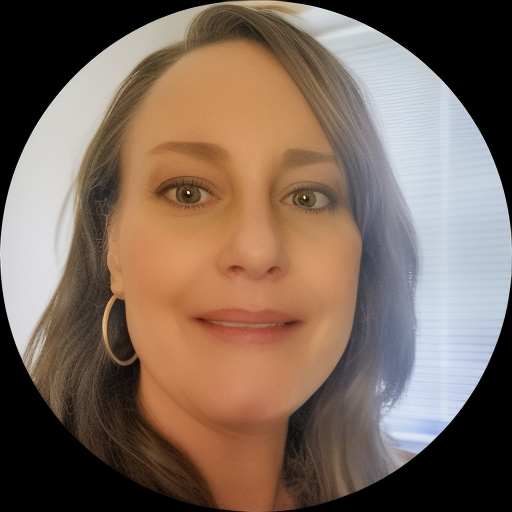
About Catherine
Catherine Stoddard is a licensed clinical social worker who helps people facing stress, anxiety, depression, addiction, and the effects of trauma and abuse. She focuses on practical steps clients can use right away. Catherine keeps sessions straightforward and calm to help someone feel heard and understood.
Catherine has five years of experience as a mental health clinician. She works from a respectful, nonjudgmental stance and helps people sort through painful feelings.
Background and approach
Sessions typically focus on identifying patterns, testing small changes, and building skills that reduce distress over time. She supports people struggling with low self-esteem, shame, guilt, loneliness, and questions about life purpose. Communication challenges are also a common topic she addresses in sessions.
Catherine helps clients name what matters and practice ways to make daily life more manageable. Her practice uses evidence-based therapeutic techniques to guide treatment. That means sessions combine problem-focused strategies with exploration of deeper feelings when helpful.
Catherine aims to match practical tools to each person’s needs so progress feels achievable. Catherine is licensed in Utah under the credential LCSW, which stands for Licensed Clinical Social Worker. She offers a steady, respectful space to work through hard moments and build routines that support recovery and growth.
Evidence-based approaches and online care
Many clinicians use cognitive-behavioral techniques, which focus on identifying unhelpful thoughts and testing small behavior changes to reduce anxiety and low mood. These methods teach concrete skills for managing daily stress and building healthier routines.Motivational interviewing is another common approach that helps people find their own reasons to change. It uses open questions and reflective listening to boost motivation when someone feels stuck, which can be especially helpful for addiction and habit change.
Finding the right approach is part of the work together. The therapist will talk with the client about goals, preferences, and what has or hasn’t helped before. Together they decide which techniques to try and adjust the plan based on how well those methods fit the person’s needs.
Online therapy provides flexible ways to meet. Video calls let people work face to face from different locations. Phone sessions require less bandwidth and can fit into a short break. Live chat or text messaging is useful for quick check-ins, shorter reflections, or when writing feels easier than speaking. These options make it simpler to keep regular contact and keep progress moving forward.
Frequently asked questions
What kinds of problems does Catherine address?
What is her therapeutic style like?
How much clinical experience does she have?
Where is she licensed and located?
Which languages are supported in sessions?
Can people outside the United States work with her?
What session formats does she use?
How do fees and billing work?
Specialties and expertise
Top specialties
Also works with
- Experience
- 5 years
- Licensed
- Utah
- Languages
- English