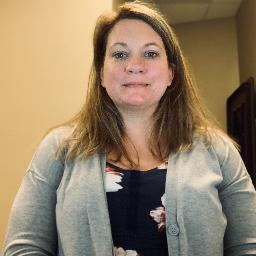
About Carrie
Carrie Catterson-Fitzmaurice is a clinical social worker based in Kansas. She holds LSCSW and LCSW credentials and brings 14 years of practice to her work. Carrie aims to create a relaxed, honest space where people can talk about what matters to them.
Carrie has worked in homes and community settings on a range of everyday struggles. She has helped people facing substance use concerns, parenting challenges, stress, organizational hurdles, ADHD, and relationship problems.
Background and approach
She has also supported older adults with adjustment, loss of independence, depression, and anxiety. Her approach blends solution-focused techniques with cognitive behavioral methods. That means sessions often focus on clear goals, practical steps, and simple tools people can try between meetings.
She uses motivational interviewing to help people find their own reasons to change and to build momentum. Sessions are relaxed and direct. Carrie welcomes humor alongside honesty.
She encourages self-awareness and helps people set realistic, measurable goals to move forward. She prioritizes respect for each persons background and beliefs. Conversations cover coping with life changes, grief, anger, self-esteem, communication problems, and issues like seasonal affective disorder and bipolar mood challenges.
Carrie also addresses addictions, trauma and abuse, and self-harm concerns with practical, goal-minded support.
How evidence-informed approaches translate to online care
Cognitive Behavioral Therapy helps people notice and change unhelpful thoughts and habits. It breaks problems into smaller parts and teaches simple skills to reduce anxiety, lift mood, and improve daily routines.Motivational Interviewing focuses on helping people find their own reasons for change. It uses open questions and reflective listening to build motivation for things like reducing substance use or improving self-care.
Finding the right approach is part of the work together. The therapist will listen to your goals and preferences, try methods that fit, and adjust as needed. That collaboration helps shape a plan that feels doable and relevant.
Online therapy offers different ways to meet depending on what fits daily life. Video calls allow face-to-face conversation and visual cues. Phone sessions can be a good option when bandwidth is limited or for a shorter check-in. Live chat and text-based messaging make it easier to fit brief conversations into a busy schedule. These options aim to make it simpler to stay consistent with sessions and practice skills between meetings.
Frequently asked questions
What concerns does Carrie commonly address?
How would you describe her therapeutic style?
What is her clinical background?
What credentials and location are listed for Carrie?
Which languages does she offer sessions in?
What session formats are available?
How are sessions paid for and what does cost look like?
How do I begin working with Carrie?
Specialties and expertise
Top specialties
- Stress, Anxiety
- Addictions
- Family conflicts
Also works with
- ADHD
- Anger management
- Bipolar disorder
- Communication problems
- Coping with life changes
- Depression
- Emptiness
- Family problems
- Grief
- Life purpose
- Parenting issues
- Relationship issues
- Seasonal Affective Disorder (SAD)
- Self esteem
- Self-harm
- Trauma and abuse
Therapeutic approaches
- Experience
- 14 years
- Licensed
- Kansas, California
- Languages
- English